
Airtight Containers are Key
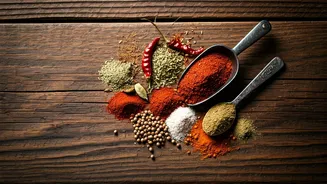
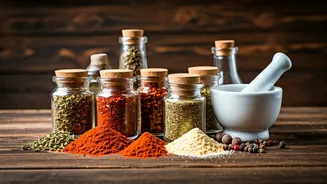
The cornerstone of successful spice storage lies in using airtight containers. These containers are the first line of defense against flavor loss. Spices
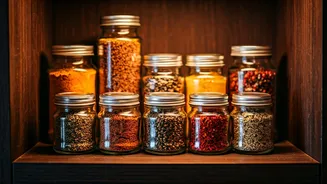
are highly vulnerable to air, moisture, light, and heat, all of which can degrade their quality. Glass jars with tight-fitting lids are an excellent choice because they're non-porous and won't absorb flavors or odors. Alternatively, consider opaque containers, such as ceramic or metal, to shield spices from light. Always ensure the lids seal properly to prevent air from entering. Labeling each container with the spice name and purchase date is also an essential practice. This allows you to track freshness and use spices before they lose their potency. Consider clear containers if you frequently cook, as this aids in quickly identifying spices.
Ideal Storage Environment
Creating the right environment is vital for maintaining spice quality. The pantry is often the best location for spice storage. It should be away from direct sunlight, which can fade colors and degrade flavors. Ensure the pantry is also away from heat sources like the stove or oven, as heat accelerates the deterioration process. Cool, dry, and dark conditions are ideal for spice storage. The humidity in your kitchen can also be a silent enemy. High humidity can cause spices to clump and lose their potency. Consider using a dehumidifier if you live in a particularly humid environment. Store spices away from the sink and other water sources to prevent moisture from reaching them. Regular inspection of the pantry is also useful, as a quick check can quickly identify potential issues, such as moisture or pest infestations, that might be detrimental to your spices.
Light and Heat Control
Light and heat are silent but significant enemies of spice longevity. They break down the essential oils that give spices their flavor and aroma. Direct sunlight, in particular, is highly destructive. Store spices away from windows and any areas where sunlight can reach them. If you must store spices near a light source, opt for opaque containers. Heat, as mentioned previously, can speed up the evaporation of essential oils and also degrade the color and flavor of the spices. Avoid storing spices near the stove, oven, or any appliance that generates heat. Consider moving your spice rack away from the wall behind your stove. Cool and consistent temperatures are essential to prolong the shelf life of your spices and retain their potent flavors. Remember, every little step taken can make a significant difference in preserving your spices.
Avoid Common Mistakes
Several common storage mistakes can drastically shorten a spice's lifespan. Refrain from storing spices above your stove, as the heat and steam from cooking can quickly degrade them. Avoid using clear containers if your spice rack receives direct sunlight. Refilling spice containers with bulk spices is another common practice to avoid. It can compromise the freshness and lead to cross-contamination. Always use a clean spoon or utensil to scoop out spices, as moisture or debris from other foods can ruin an entire jar. Also, avoid storing spices in a damp environment. Moisture is the ultimate enemy of spice quality, leading to clumping and diminished flavors. Following these tips ensures that your spices maintain their best flavors for an extended period.
Understanding Expiration Dates
Spices do not necessarily expire in the traditional sense, but they do lose their potency and flavor over time. Ground spices typically last for about six months to a year, while whole spices can last up to three years. The best way to test if a spice is still good is to smell it. If the aroma is weak or non-existent, it's time to replace it. A good rule of thumb is to replace ground spices annually. Keep a record of when you purchase your spices. Using labels that include the purchase date is very helpful. By being mindful of expiration dates and regularly rotating your spice collection, you can ensure that you're always using spices at their peak flavor.