





Festive Significance
As Gudi Padwa 2026 approaches on March 19th, marking the vibrant Marathi New Year, the traditional act of hoisting the gudhi signifies victory and new
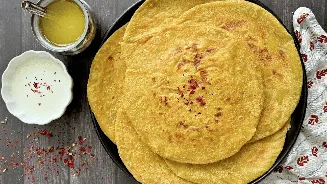
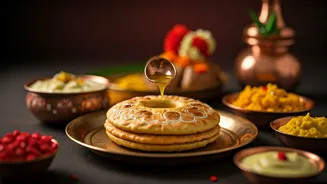
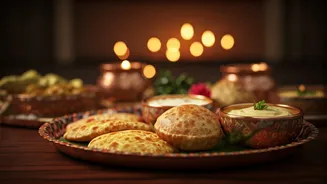
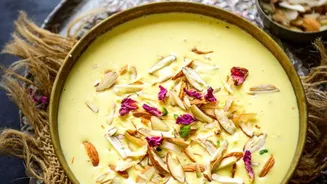
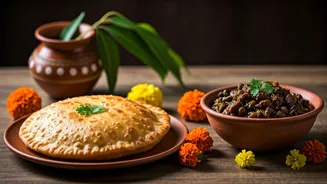
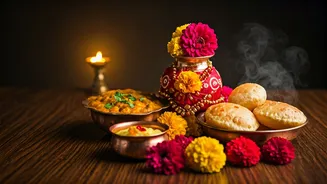
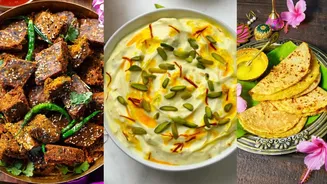
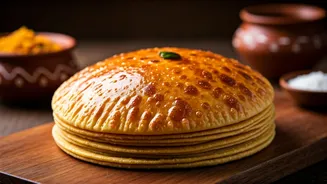
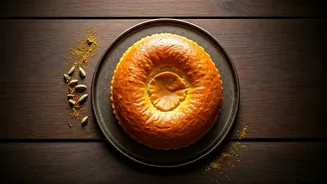
beginnings. This auspicious occasion calls for the preparation of cherished Maharashtrian sweets that embody sweetness and good fortune. Among these celebratory treats, Puran Poli holds a special place. This delectable sweet flatbread, filled with a rich and smooth paste of lentils and jaggery, is more than just a dessert; it's a cultural symbol. It represents the bounty of the harvest, particularly the successful reaping of rabi crops, and is often offered as prasad, inviting abundance and blessings. Its golden appearance and incredibly tender texture make it an indispensable part of the festivities, perfectly complementing other Gudi Padwa rituals and dishes like shrikhand or katachi amti. Creating Puran Poli at home transforms any kitchen into a festive hub, blending culinary effort with the immense satisfaction of serving a dish steeped in tradition and flavor, making the 2026 celebration truly memorable.
Essential Ingredients
To create the delightful Puran Poli for Gudi Padwa 2026, you'll need specific ingredients for both the sweet filling (puran) and the outer dough (poli). For the puran, you'll require 1 cup (approximately 200g) of chana dal, which should be soaked for about 1 to 2 hours beforehand. Sweetness is provided by ¾ cup (around 150g) of grated or powdered jaggery. To enhance the flavor, ½ teaspoon of cardamom powder and ¼ teaspoon of nutmeg powder are essential, along with 1 teaspoon of ghee for richness. The dough for the poli consists of 1 cup of whole wheat flour (atta) and ½ cup of all-purpose flour (maida). A ¼ teaspoon each of turmeric powder and salt are added for color and taste. For binding and pliability, 2 tablespoons of oil or ghee are incorporated, and water will be needed as required. Finally, extra ghee will be used generously for cooking the polis and for serving, ensuring that classic melt-in-your-mouth finish.
Step-by-Step Preparation
Crafting perfect Puran Poli involves a few key steps. First, prepare the puran by pressure cooking the soaked chana dal with 2¼ cups of water, a pinch of turmeric, and 1 teaspoon of ghee until it is very soft, typically requiring 4-6 whistles. After cooking, drain any excess water, which can be saved for making 'katachi amti', and then mash or grind the dal into a smooth paste. In a pan, cook this dal paste with the jaggery over medium heat, stirring continuously until it thickens to a halwa-like consistency, which usually takes about 10-15 minutes. Stir in the cardamom and nutmeg powders, then let the mixture cool completely before dividing it into 8-10 equal balls. For the dough, combine the whole wheat flour, all-purpose flour, turmeric powder, and salt in a bowl. Add 2 tablespoons of oil or ghee and mix. Gradually add water to knead a soft, pliable dough that is slightly softer than your regular chapati dough. Cover the dough and let it rest for 30 to 60 minutes. Once rested, divide the dough into equal portions, slightly larger than the puran balls. Flatten one dough portion, place a puran ball in the center, and carefully seal the edges by gathering the dough around it. Lightly dust with flour and gently roll it out into a 6-8 inch circle, ensuring a thin, even layer. Heat a flat griddle (tawa) and cook each poli on medium flame, flipping it once. Apply ghee generously to both sides as it cooks, pressing the edges gently with a spatula to help it puff up beautifully. Look for golden-brown spots as an indication of readiness. Stack the finished polis under a clean cloth to keep them warm and soft. Enjoy them immediately with a dollop of ghee, a glass of milk, or alongside 'katachi amti' for an authentic Gudi Padwa experience.
Tips for Softness
To ensure your Puran Poli is exceptionally soft and delightful for Gudi Padwa 2026, a couple of tips can make a significant difference. The most crucial aspect is maintaining the dough's hydration. Ensure the dough remains sufficiently moist throughout the process; if it feels too dry during kneading or rolling, a few drops of water can revive its pliability. Secondly, the thickness of the rolled poli plays a vital role. Rolling the dough thinly, ensuring the puran filling is well-enclosed without tearing, contributes to a delicate texture. Avoid over-stuffing, which can make rolling difficult and lead to tearing. A light touch when rolling is key; excessive pressure can make the poli tough. Also, remember that the dough should be soft and yielding, not stiff. A well-rested, soft dough is more forgiving and results in tender polis. Cooking on a medium flame allows for even cooking without burning, and applying ghee liberally on both sides ensures a rich, melt-in-your-mouth experience. Following these simple guidelines will help you achieve perfectly soft and delicious puran polis for your festive celebrations.