


Dance's Spinal Symphony
African dance traditions are renowned for their vibrant, full-body engagement, which inherently benefits spinal health. These dance forms often incorporate
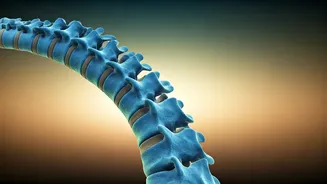
fluid, rhythmic motions that involve a natural bending and stretching of the spine. Consistent practice of these dance-inspired movements can significantly improve flexibility by releasing built-up tension in the muscles surrounding the spinal column. This enhanced range of motion contributes to better posture and reduced stiffness, making everyday activities feel easier and more comfortable. The dynamic nature of these dances means that you're not just exercising your spine in isolation, but as an integrated part of a whole-body movement, fostering a more holistic approach to spinal well-being and mobility.
Yoga-Inspired Poses
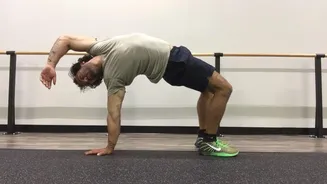
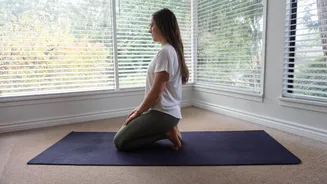
Across various African cultures, there are practices that echo the principles of yoga, emphasizing balance and deep stretching. These traditional postures frequently involve gentle yet effective spinal twists and bends, specifically targeting the back area to improve its suppleness. Integrating these ancient poses into your daily regimen can lead to a gradual yet profound increase in spinal flexibility. They encourage relaxation and help to alleviate chronic tension held within the back muscles, which is a common issue in modern lifestyles. By focusing on controlled movements and breath, these poses promote a mind-body connection that supports both physical ease and mental tranquility, directly contributing to a healthier, more responsive spine.
Everyday Stretching Techniques
Many African communities seamlessly weave natural stretching techniques into their daily routines, often during chores or leisure activities. These movements are not prescribed exercises but rather organic actions like reaching, bending, or twisting that are performed as part of other tasks. By consciously paying attention to and enhancing these natural movements throughout the day, individuals can significantly improve their spinal mobility without needing to allocate separate time slots for workouts. This approach makes enhancing spinal flexibility an accessible and sustainable part of everyday life, proving that physical well-being can be integrated effortlessly into our existing schedules, leading to a more agile and less restricted spine over time.
Community Movement
In numerous African communities, collective physical activities are a cornerstone of social and health practices. These communal exercises typically involve coordinated movements that require participants to develop balance and synergy, both crucial elements for maintaining a flexible and stable spine. Engaging in these group activities offers a dual benefit: it strengthens social bonds and enhances physical health through shared exertion and mutual encouragement. The collaborative nature of these exercises motivates individuals and ensures that movements are performed with a sense of shared purpose, contributing to a robust and resilient spine within a supportive community framework.
Outdoor Activity Benefits
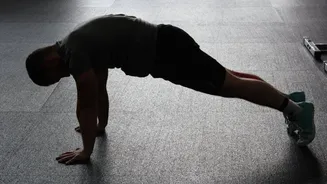
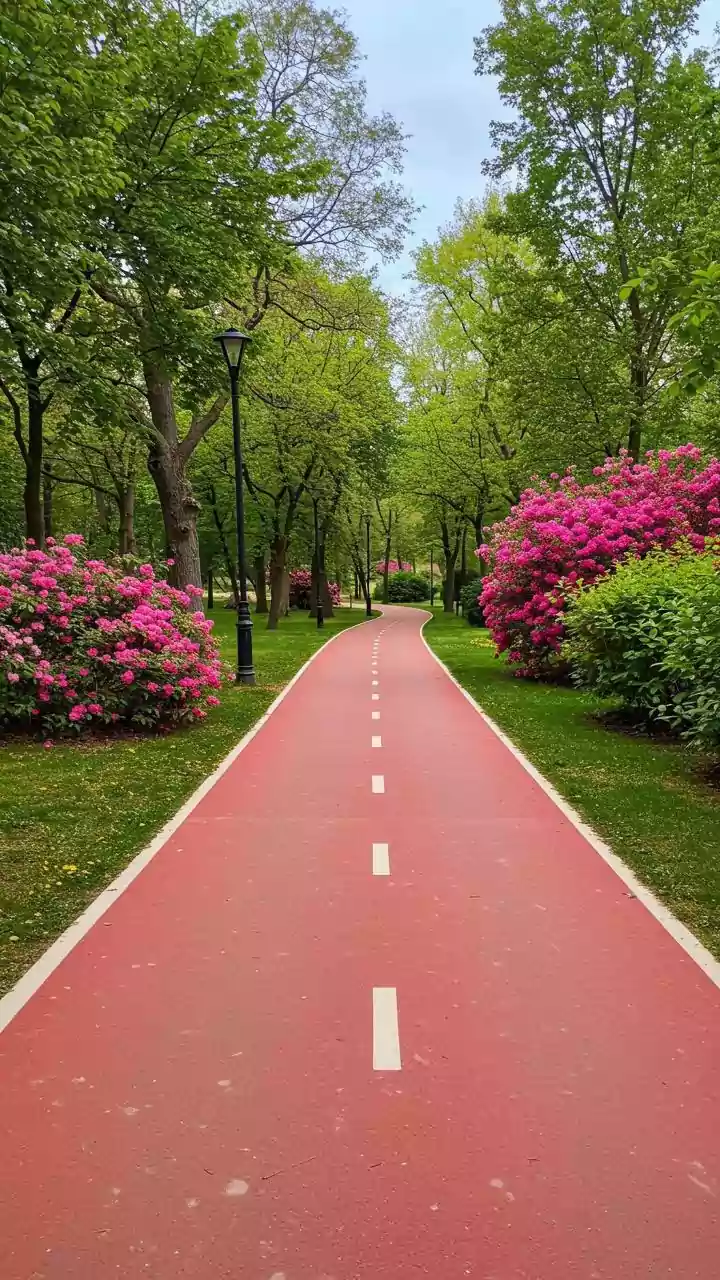
Outdoor pursuits are deeply embedded in the lifestyle of many African regions, naturally providing ample opportunities for physical activity that benefits the spine. Navigating uneven natural terrains or participating in various outdoor sports helps to strengthen the core muscles that provide essential support to the spinal column. These activities also contribute to an elevated level of overall fitness, which has a profoundly positive impact on spinal health and function. By embracing the natural environment for exercise, individuals can achieve a stronger, more flexible spine while also enjoying the broader health advantages that come from an active outdoor lifestyle.