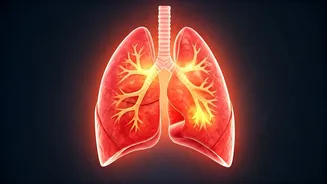








Persistent Symptoms Unpacked
The aftermath of a COVID-19 infection has proven to be multifaceted. While some individuals experience a swift recovery, a significant portion faces an extended
period of discomfort. The symptoms, often diverse and unpredictable, can include fatigue, respiratory issues, and cognitive difficulties, among others. These lingering effects, commonly referred to as 'long COVID,' have led researchers to delve deeper into their underlying causes. The initial focus was primarily on the damage caused directly by the SARS-CoV-2 virus. However, recent developments suggest the situation is considerably more complex than initially imagined. The persistence of symptoms has spurred a need to re-evaluate potential contributing factors, pushing beyond the initial viral impact and into a more nuanced understanding of post-COVID health challenges.
Other Pathogens Involvement
Emerging research is now suggesting that the persistent symptoms many people face might not be solely caused by the initial SARS-CoV-2 infection. The focus is shifting toward the potential involvement of other pathogens. This includes the possibility of secondary infections that occur during or after the primary COVID-19 illness. This can take the form of bacterial infections, such as pneumonia, or the reactivation of latent viruses, which had previously been dormant within the body. When the immune system is already compromised by the initial viral infection, the opportunity for other pathogens to thrive increases. Researchers are actively studying these interactions to gain a more thorough understanding of how different infections can contribute to the prolonged symptoms, and how to best address these complex health challenges.
Unveiling Immune System Impact
The immune system plays a crucial role in defending against diseases, and understanding its response to COVID-19 is essential to understanding the lingering health issues. The initial infection with the SARS-CoV-2 virus triggers an immune response, but in some individuals, this response can be either overly aggressive or ineffective. An overly aggressive response can cause widespread inflammation and damage to the body's tissues, which is a major contributor to the prolonged illness. Furthermore, the virus can also weaken the immune system, making it more vulnerable to other infections, or creating conditions favorable for latent viruses to reactivate. Ongoing studies aim to pinpoint how these immunological changes contribute to the complex and multifaceted symptoms experienced by those dealing with long COVID, thereby improving strategies for patient care.
Implications for Treatment
The evolving understanding of the role of other pathogens in prolonging symptoms has significant implications for treatment strategies. If secondary infections or reactivated viruses are found to contribute to persistent symptoms, treatment approaches may need to extend beyond antiviral therapies alone. This could involve the use of antibiotics or antiviral medications that specifically target these other pathogens. Additionally, treatments to modulate the immune response could become critical. By accurately identifying the specific pathogens involved and the specific impact on the immune system, doctors may be able to tailor treatments, providing more precise and personalized care. This targeted approach promises to be far more effective than general treatments, leading to better outcomes for those suffering with long COVID.
Future Research Directions
To fully understand the long-term impact of COVID-19 and its lingering symptoms, extensive and focused research is still needed. Researchers are now prioritizing the investigation of the complex interactions between SARS-CoV-2 and other pathogens. This includes detailed studies of the immune system’s responses and how they are altered by both the primary infection and secondary infections. Longitudinal studies that track patients over extended periods will be essential to identify the long-term consequences. This work involves identifying biomarkers that can predict which individuals are more likely to develop long COVID and providing insights into the mechanisms underlying its development. A comprehensive approach, incorporating advanced diagnostic techniques and robust clinical trials, will be crucial in developing better treatments and strategies for the long-term management of COVID-19-related health issues.