
Pollution Peaks Daily
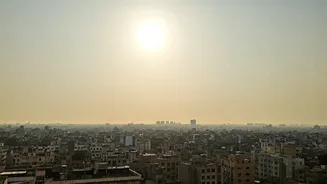
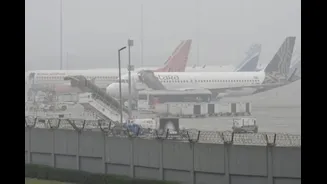
Delhi is grappling with an alarming deterioration of air quality, consistently failing to meet air quality benchmarks. The situation has become so dire
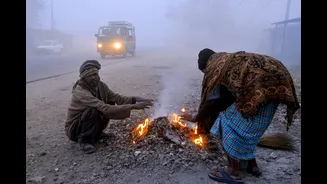
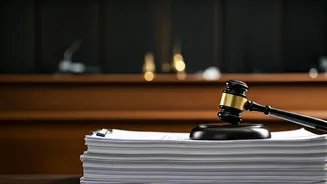
that the Graded Response Action Plan (GRAP) has been progressively enforced, moving from GRAP-I to GRAP-III, and at times GRAP4, due to the rising pollution levels. This has led to significant disruptions, including schools transitioning to hybrid learning models and a general atmosphere of concern. The city has experienced a prolonged period with no 'good' air days since 2023, underscoring the persistent nature of this challenge. Experts and citizens alike are questioning the severity, with comparisons drawn to daily cigarette smoking to illustrate the detrimental effects of breathing the city's air. The Supreme Court is actively hearing pleas related to the Delhi-NCR pollution crisis, acknowledging its gravity while noting the complexity of finding immediate solutions.
Health Risks Magnified
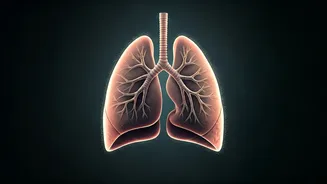
The severe air pollution in Delhi poses significant health risks, with particular concern for pregnant women. High levels of PM2.5 pollution mean that breathing the city's air can be as damaging as smoking cigarettes daily. This persistent exposure can exacerbate existing respiratory and cardiovascular conditions and potentially lead to new health problems for the general population. The impact on vulnerable groups, including children and the elderly, is even more pronounced. Specific studies and concerns have been raised regarding how Delhi's poor AQI might affect pregnancies, highlighting the urgent need for interventions to protect maternal and fetal health. The widespread failure to meet air-quality benchmarks across 447 districts nationwide, with Delhi being the worst, underscores a national health challenge intertwined with environmental degradation.
Mitigation and Response
In response to the escalating air pollution crisis, authorities in Delhi have implemented various measures. The enforcement of GRAP stages, from initial restrictions to more stringent actions under GRAP-III and GRAP4, aims to curb pollution sources. This includes measures like the potential restriction of certain vehicles. The transition of schools to hybrid learning modes is a direct consequence of these concerns, prioritizing student safety. The context of events like anti-pollution protests being disrupted by unrelated issues, such as pro-Naxal posters and chilli spray, highlights the complex social dynamics surrounding the environmental crisis. Furthermore, the availability of cars with built-in air purifiers under ₹15 lakh indicates a growing market awareness and demand for solutions within the automotive sector, though these are individual rather than systemic solutions to the overarching pollution problem.