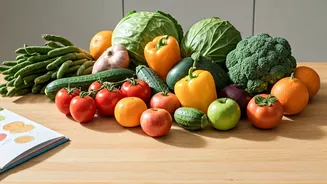







Grocery Store Choices
Transform your grocery runs into a learning adventure by actively involving your children in the selection process. Empower them to pick out vibrant fruits
and crisp vegetables, or to compare the costs of similar items on the shelves. This hands-on experience teaches them not only about managing a budget but also the importance of making nutritious selections. By giving them the autonomy to choose within predetermined financial limits, you foster a sense of responsibility and help them grasp the real-world implications of their purchasing decisions, laying a foundational understanding of value and consequence.
Collaborative Meal Planning
Dedicate time to co-create your family's weekly meal plan alongside your kids. Engage in discussions about building balanced plates with essential food groups like proteins, carbohydrates, and vegetables. Encourage your children to suggest their favorite dishes or ingredients, fostering a sense of ownership and teamwork. This collaborative approach helps them understand the principles of creating nutritious meals while also respecting everyone's preferences, promoting a harmonious dining experience and reinforcing planning skills.
Visualizing Portion Sizes
Introduce the concept of appropriate portion sizes using intuitive visual aids such as measuring cups or plates divided into distinct sections. Demonstrate ideal servings for different food categories by employing these tools during meal preparation or when serving food. This tangible method solidifies the idea of a balanced plate in a way that is easily understandable for children, moving beyond abstract dietary guidelines and making healthy eating habits concrete and accessible.
Encouraging Culinary Exploration
Spark your child's creativity in the kitchen by encouraging them to experiment with cooking. Let them try new recipes or adapt existing ones using ingredients readily available at home. Guide them on kitchen safety practices while allowing them the freedom to explore flavors and combinations. This not only ignites their imagination but also cultivates problem-solving abilities as they learn to adjust recipes based on available ingredients and desired outcomes, building resourcefulness.
Understanding Food's Benefits
Regularly discuss the nutritional advantages of the ingredients that make up your family's meals. Educate your children about how specific foods contribute to their overall well-being, such as providing energy for play or supporting their growth and development. Equipping them with this knowledge empowers them to make informed choices about their diet, setting them up for healthier eating habits as they grow and become more independent in their food selections.