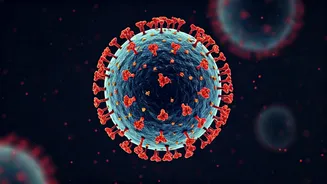

Predicting the Outbreak
Predicting the severity of influenza outbreaks is a complex endeavor, but several variables can give us a sense of what to expect. Scientists and public
health officials closely monitor global influenza activity, tracking the emergence and spread of new strains. Factors like the effectiveness of the current flu vaccine and any changes in influenza viruses influence how well the vaccine matches the circulating strains, which is a key factor. Population immunity also plays a significant role; if a large percentage of the population has immunity from prior infections or vaccinations, the impact of the flu can be lessened. Weather patterns, like unusually cold winters or a high level of humidity, can also influence the spread of the virus. International travel is another key element. When people travel, they can bring viruses across borders. All of these elements, considered together, will determine the flu outbreak of 2025.
Vaccination: The First Line
Vaccination remains the most effective tool in preventing the flu. The Centers for Disease Control and Prevention (CDC) and other health organizations recommend annual flu shots for everyone six months and older. The flu vaccine is designed to protect against the influenza viruses that research indicates will be most common during the upcoming flu season. The composition of the vaccine is updated annually based on global surveillance of influenza viruses. Getting vaccinated helps not only protect the individual but also reduces the spread of the virus within communities, helping to protect vulnerable populations like the elderly and those with chronic health conditions. Vaccination effectiveness can vary depending on the match between the vaccine and the circulating strains. Even when the vaccine isn't a perfect match, it can still lessen the severity of the illness and lower the risk of complications such as pneumonia.
Protecting Yourself & Others
Beyond vaccination, practicing good hygiene is vital to reducing the spread of the flu. Frequent handwashing with soap and water is one of the most basic and effective ways to eliminate the virus. When soap and water aren’t available, alcohol-based hand sanitizers can be used. Covering coughs and sneezes with a tissue or your elbow prevents the spread of respiratory droplets, which transmit the virus. Staying home when you are sick is crucial to prevent infecting others. This helps minimize exposure in public places and workplaces, and limits the risk of transmission to vulnerable individuals. Wearing a face mask, particularly in crowded indoor settings during flu season, can also provide an additional layer of protection by reducing exposure to respiratory droplets. Maintaining a healthy lifestyle, including getting enough sleep, eating a balanced diet, and exercising regularly, also helps to strengthen the immune system and increase the body's defenses against the virus.
Antiviral Medications' Role
Antiviral medications are useful in treating the flu and reducing its severity. These drugs work by inhibiting the influenza virus from multiplying in the body. Antivirals are most effective when started within 48 hours of the onset of flu symptoms, so early diagnosis and treatment are crucial. Antivirals can help shorten the duration of illness and reduce the risk of severe complications, such as pneumonia. They are especially important for people at high risk of complications, including the elderly, young children, pregnant women, and people with chronic health conditions. Healthcare providers may prescribe antivirals based on a patient’s symptoms, medical history, and exposure to the flu. Antiviral medications can be administered through oral tablets or liquids, but the duration of treatment typically ranges from five to seven days, as recommended by medical professionals. Common antiviral medications include oseltamivir (Tamiflu), zanamivir (Relenza), and others.
Community Preparedness Measures
Communities also play a vital role in being prepared for a potentially severe flu season. Public health authorities often implement strategies such as promoting vaccination, providing public health information, and ensuring that there are sufficient resources, including vaccines, antiviral medications, and medical supplies. Effective communication is critical; providing the public with up-to-date information about flu activity, symptoms, and prevention measures. Schools and workplaces can implement policies to encourage sick individuals to stay home and promote good hygiene practices. Emergency preparedness plans should include protocols for managing increased patient volumes in healthcare facilities and ensuring adequate staffing and resources. Collaborating between healthcare providers, schools, businesses, and community organizations helps build a coordinated response and strengthens community resilience during flu outbreaks.