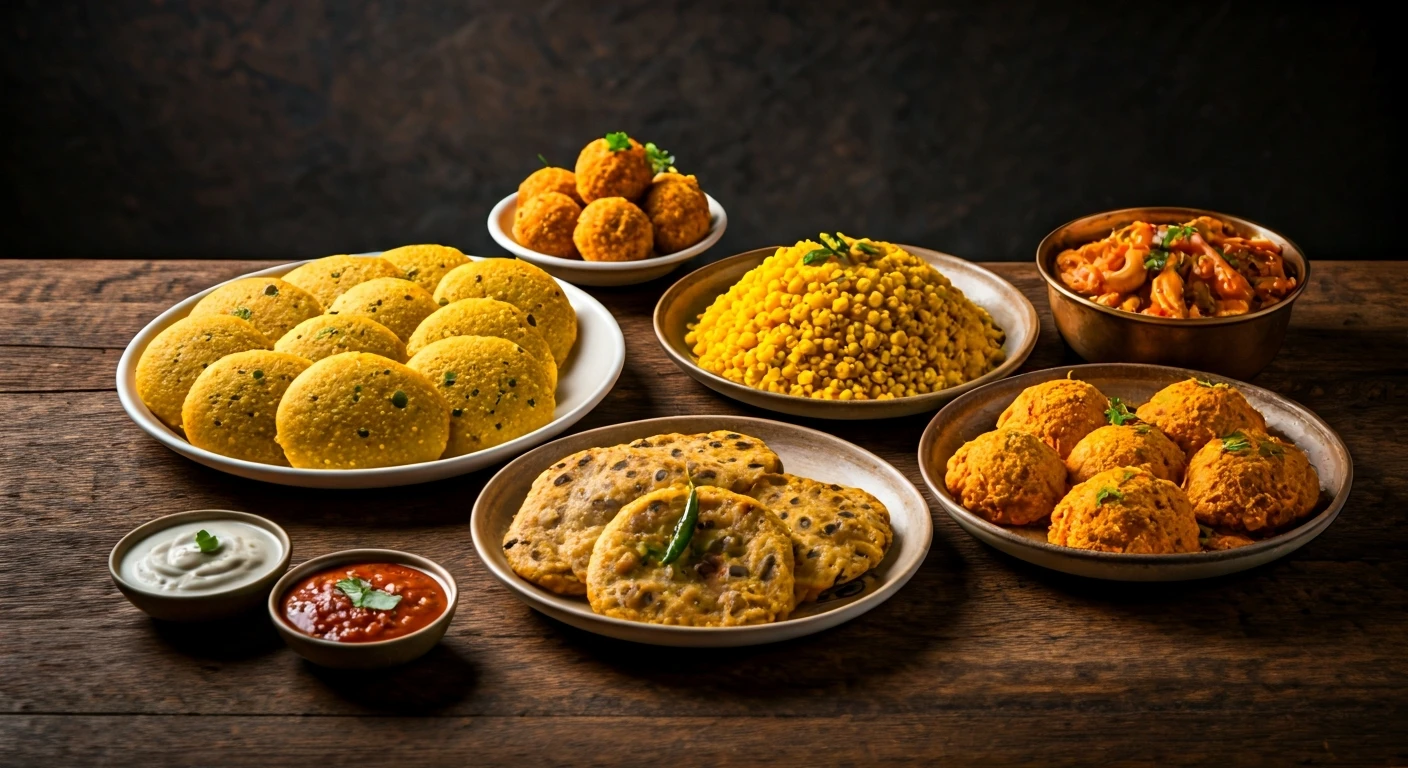

Dhokla: The Steamed Delight
Dhokla is a beloved Gujarati snack, admired for its soft, spongy texture and mild, savory taste. It is crafted from a fermented batter of rice and split
chickpeas (chana dal), which is then steamed. The fermentation process gives it a slightly tangy flavor. Once steamed, dhokla is often tempered with a flavorful tadka of mustard seeds, curry leaves, and green chilies, enhancing its aroma and taste. It's usually served with a sweet and tangy chutney and a sprinkle of fresh coriander. This dish is a perfect example of Gujarati culinary skill, demonstrating how simple ingredients can be combined to create an enjoyable and healthy snack. Dhokla's lightness makes it a popular choice for any time of day, offering a fulfilling yet non-greasy option.
Thepla: A Flatbread Staple
Thepla is a quintessential Gujarati flatbread, known for its soft texture and the slight tanginess from the use of yogurt. Made from wheat flour, it often includes fenugreek leaves (methi) which infuse a unique flavor and aroma, along with spices such as turmeric and cumin. The dough is rolled into thin circles and cooked on a griddle with a touch of oil, giving it a light, slightly golden color. Thepla is very versatile and can be enjoyed at any time of the day, often accompanying other Gujarati dishes or served with yogurt, pickles, or chutneys. It is also a popular travel food, as it stays fresh for several days, making it ideal for journeys. Theplas provide a nutritious source of fiber and carbohydrates, making them a well-rounded part of the Gujarati diet.
Khandvi: The Rolled Snack
Khandvi is a delicate and flavorful Gujarati snack characterized by its rolled shape and smooth texture. It's made from a batter of gram flour (besan) and buttermilk, cooked on a pan until it thickens. The batter is then spread thinly, rolled, and cut into bite-sized pieces. Khandvi is typically tempered with mustard seeds, sesame seeds, and curry leaves to enhance its taste. It offers a subtle blend of flavors, with a hint of tanginess from the buttermilk. The dish provides an excellent contrast of textures and a visual appeal. Often garnished with fresh coriander and grated coconut, khandvi showcases the delicate balance of flavors which is central to Gujarati cuisine. It requires skill to make perfectly.
Undhiyu: A Winter Specialty
Undhiyu is a flavorful mixed vegetable dish, most popular during winter. The name ‘undhiyu’ comes from the Gujarati word ‘undhu’, meaning upside down, referring to the traditional cooking method where the dish is cooked in earthen pots placed upside down underground, which imparts a unique smoky flavor. The dish contains a variety of vegetables like potatoes, eggplants, beans, and green peas, which are cooked with a blend of spices, herbs, and sometimes, a sweet and spicy masala called 'muthiya'. The slow cooking process allows the flavors to meld together beautifully. Undhiyu is often served with hot puris and is a highlight of Gujarati winter celebrations and festivals. Its rich flavors and satisfying nature make it a perfect winter warmer.
Dal Dhokli: A Hearty Meal
Dal Dhokli is a wholesome Gujarati dish that combines the comforting goodness of dal (lentils) with the texture of dhokli (wheat flour dumplings). The dish typically begins with a base of toor dal, which is cooked with spices to create a flavorful stew. Dumplings made from wheat flour, spices, and sometimes vegetables are added to the simmering dal, where they cook until soft and tender. The dhokli soaks up the flavors of the dal, contributing to the overall taste and texture. This dish offers a complete and balanced meal, providing protein from the dal and carbohydrates from the dhokli. Dal Dhokli is often seasoned with a tempering of mustard seeds, cumin seeds, and curry leaves to enhance its aromatic and savory appeal.
Gujarati Kadhi: A Tangy Soup
Gujarati Kadhi is a light and refreshing soup known for its tangy and slightly sweet taste. It's crafted from a base of yogurt and gram flour (besan), which is whisked together with water to achieve a smooth consistency. This mixture is then simmered with spices like ginger, chilies, and curry leaves. A tempering of mustard seeds and asafoetida (hing) often adds a burst of flavor. Kadhi's preparation can vary from household to household, with some versions featuring added vegetables or pakoras (fried fritters). The mild sourness of the yogurt balances with the spices, making it a soothing and delightful accompaniment to rice or khichdi. Kadhi represents Gujarati culinary harmony of flavors and textures, with variations that adapt to personal preferences.
Handvo: A Savory Cake
Handvo is a savory Gujarati cake made from a batter of lentils, rice, and vegetables. The mixture is fermented to develop a slightly tangy flavor before being baked or steamed until it achieves a golden-brown crust. It commonly incorporates vegetables like bottle gourd, carrots, and spinach, making it a nutritious option. The taste profile balances the savory flavors of the spices with the natural sweetness of the vegetables. Handvo's texture is often both soft and slightly crisp, and it is usually served with green chutney or a sweet-and-sour dip. It is often served as a snack or light meal and is suitable for all ages. Handvo highlights the ingenuity of Gujarati cuisine, transforming simple ingredients into a flavorful, fulfilling dish.
Fafda-Jalebi: The Sweet & Savory Duo
Fafda-Jalebi is a classic Gujarati breakfast combination, loved for its contrast of flavors and textures. Fafda is a crispy, savory snack made from gram flour, seasoned with spices and deep-fried. It is often served with a chutney made from raw papaya and chilies, providing a sharp and refreshing contrast. Jalebi, on the other hand, is a sweet treat: a deep-fried, spiral-shaped dessert made from fermented batter, soaked in sugar syrup. The warm, syrupy jalebi complements the salty, crunchy fafda, making for an enjoyable culinary experience. This pairing is a popular choice during festivals and special occasions and epitomizes the Gujarati love for pairing sweet and savory dishes for a unique taste experience.
Lilva Kachori: Green Pea Delight
Lilva Kachori is a flavorful Gujarati snack, featuring a crispy exterior and a savory filling. The kachori is typically made from refined flour, enclosing a spiced filling that primarily consists of green pigeon peas (lilva). The filling often includes a mix of other spices, herbs, and sometimes a hint of sweetness to balance the flavors. These kachoris are deep-fried until golden brown, resulting in a delightful contrast of textures. Served with chutneys, Lilva Kachori provides a burst of flavor in every bite. This dish reflects the Gujarati passion for snacks that are both tasty and satisfying, often enjoyed during festive gatherings. Lilva Kachori shows how Gujarati cuisine uses local ingredients to create appealing and diverse flavors.