




Not a Cure-All
A prevalent misconception is that herbal teas possess the power to cure serious illnesses. While certain herbs can indeed contribute to overall well-being
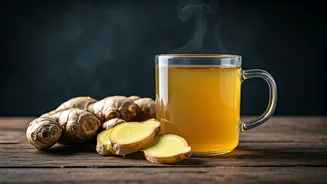
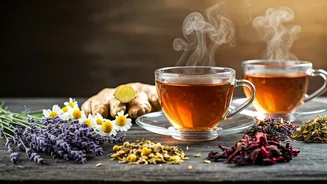
and support bodily functions, they should never be considered a replacement for established medical treatments. For instance, ginger tea is often celebrated for its anti-inflammatory properties, but relying on it to manage chronic conditions would be misguided. Professional medical advice and prescribed treatments remain paramount for effectively managing any health ailment. Herbal remedies can be complementary, but not primary solutions for diagnosed diseases.
Safety First
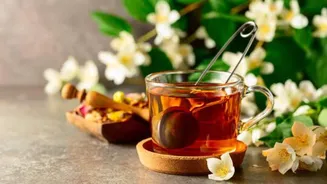
The notion that all herbal infusions are universally safe is a dangerous oversimplification. Various herbs can trigger adverse reactions, including allergic responses, or interfere with prescribed medications. For example, individuals with allergies to plants in the daisy family might react to chamomile. It is crucial to be aware of all the ingredients within your chosen herbal tea and to consult with a healthcare professional, especially if you have pre-existing health conditions, are taking medication, or have known allergies, to ascertain potential risks before consumption.
Weight Loss Myths
A widespread belief is that consuming herbal teas can lead to substantial weight loss. While some herbal ingredients might offer a minor boost to metabolism or temporarily curb appetite, these effects are generally not significant enough to cause noticeable changes in body weight when relied upon solely. Sustainable and effective weight management fundamentally requires a holistic approach that integrates a balanced dietary plan with consistent physical activity. Herbal teas, at best, can play a minor supporting role in this larger strategy.
Caffeine Content
Contrary to popular assumption, not all beverages labeled as herbal teas are entirely caffeine-free. Some herbal blends might incorporate ingredients that naturally contain caffeine, or they could be mixed with traditional tea leaves, which are a source of caffeine. Therefore, if your goal is to avoid caffeine, it's imperative to scrutinize product packaging carefully. Checking the ingredient list is essential, particularly for those who are sensitive to caffeine or actively seeking to limit their intake for health or personal reasons.
Skin Health Impact
The idea that simply drinking herbal teas will result in an immediate and dramatic improvement in skin health is largely a myth. Although certain components, like the antioxidants found in green tea, can be beneficial for skin when applied topically, their ingestion does not guarantee overnight transformations. Maintaining healthy and radiant skin is a complex process heavily influenced by a diligent skincare regimen, a nutritious diet, adequate hydration, and overall healthy lifestyle choices, rather than solely by the consumption of specific beverages.