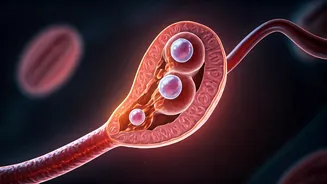








The Fitness Paradox
In an era where physical well-being is paramount, many actively pursue fitness through various means like yoga, gym workouts, and mindful eating, aiming
for a healthy lifestyle that naturally supports conception. It's surprising, however, how frequently individuals who appear perfectly healthy externally are still grappling with the inability to conceive. This phenomenon, often termed 'invisible fertility issues,' arises from underlying hormonal or metabolic conditions that silently impair reproductive capabilities. Couples meticulously maintaining balanced lifestyles often find themselves perplexed and anxious when conception proves elusive, highlighting a critical disconnect between outward appearance and internal reproductive health. This situation underscores the necessity of looking beyond visible fitness markers when assessing fertility.
Unseen Reproductive Roadblocks
Dr. Meenu Handa sheds light on the silent culprits affecting fertility in seemingly fit individuals. Common issues like hormonal imbalances, erratic insulin levels, compromised thyroid function, and diminished reproductive organ health can affect both men and women, irrespective of their exercise routines. Conditions such as Polycystic Ovary Syndrome (PCOS), thyroid disorders, insulin resistance, and even chronic stress can manifest without obvious physical symptoms, yet they significantly impact fertility. These hidden ailments silently take a toll, making conception a challenge for many who believe their healthy habits should guarantee reproductive success. Understanding these internal factors is crucial for addressing fertility concerns effectively.
Stress and Lifestyle Impact
The pressures of modern life, including demanding careers and a lack of work-life balance, contribute to significant mental stress, even among physically active individuals. This persistent stress can profoundly disrupt the body's hormonal equilibrium. Elevated cortisol levels, the body's primary stress hormone, can interfere with ovulation in women and negatively affect sperm production in men. Over time, this can degrade the quality of both eggs and sperm, making natural conception considerably more difficult. Therefore, actively managing stress through relaxation techniques is as vital for pregnancy planning as maintaining physical fitness. Neglecting mental well-being can undermine even the most diligent efforts towards reproductive health.
Subtle Signs, Serious Issues
For women, fertility challenges might present as subtle issues like irregular ovulation, reduced egg quality, or hormonal imbalances, even if menstrual cycles appear regular. Seemingly minor symptoms like persistent fatigue, skin blemishes, hair loss, or mood fluctuations can be indicators of deeper hormonal disturbances that are often overlooked. In men, low sperm count is a primary concern that can impact their ability to conceive. Furthermore, insufficient sleep, excessive exercise regimes, or overly restrictive diets can exacerbate hormonal imbalances and contribute to fertility problems. It is imperative for individuals experiencing these symptoms to seek expert medical advice promptly. Environmental factors like pollution also play a role in this growing trend.
Actionable Steps for Fertility
To proactively address fertility concerns, couples should adopt a holistic approach that goes beyond mere physical fitness. A well-balanced diet, consistent daily exercise, and dedicated stress management through practices like yoga and meditation are essential. Ensuring adequate rest is also critical. Maintaining healthy blood pressure and blood sugar levels, incorporating sufficient healthy fats and proteins into the diet, avoiding overtraining, and managing stress are key to supporting hormonal balance. If conception doesn't occur within 6 to 12 months of trying, depending on age, a comprehensive fertility evaluation is strongly recommended. Prompt medical consultation is crucial when conception is delayed, and in some cases, advanced reproductive technologies (ARTs) like in vitro fertilization (IVF) may be advised. Awareness, balanced lifestyle choices, and timely medical support are paramount for improving fertility outcomes.