


Introduction to Gujarat
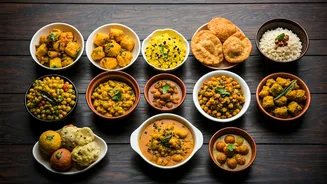
Gujarat, a state on India's western coast, is renowned for its diverse culture and, especially, its cuisine. Gujarati food is celebrated for its balanced
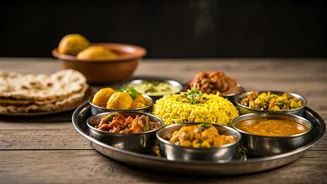
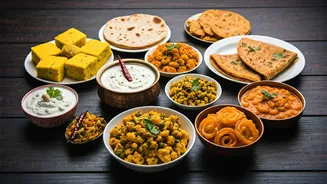
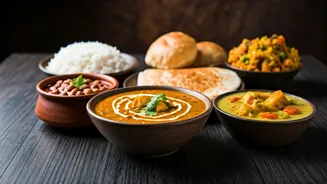
use of flavors, typically blending sweet, sour, and spicy elements. The cuisine often incorporates a variety of vegetables, pulses, and grains, making it both delicious and nutritious. Vegetarianism is prevalent in Gujarat, leading to a vast array of vegetarian dishes that cater to a wide range of palates. The use of unique spices and cooking techniques distinguishes Gujarati food, making it a culinary treasure trove. Traditional Gujarati meals usually consist of a thali, which is a platter featuring multiple dishes that offer a complete and satisfying dining experience. The emphasis on fresh, local ingredients further enhances the flavors, ensuring a delightful gastronomic journey. Whether you are a seasoned foodie or just beginning to explore Indian cuisine, Gujarati dishes offer something for everyone.
Dhokla: The Delightful Snack
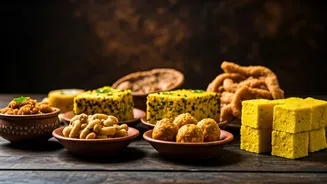
Dhokla, a steamed cake made from fermented batter, is a popular Gujarati snack loved for its soft, spongy texture and tangy taste. This dish is made from a batter of fermented rice and chickpeas (chana dal), which gives it a unique flavor profile. The batter is seasoned with spices like ginger, chilies, and turmeric, adding depth to the taste. After steaming, dhokla is often tempered with mustard seeds, curry leaves, and green chilies, further enhancing its flavor. It is commonly served with a sweet and tangy chutney made from tamarind and dates or a spicy green chutney made from coriander and mint. Dhokla is not just a snack; it’s an experience, offering a burst of flavors in every bite. It's relatively easy to prepare, making it a favorite for breakfast, lunch, or even as a light evening snack. This versatile dish appeals to all ages and is a staple in Gujarati households and restaurants.
Undhiyu: Earthy and Flavorful
Undhiyu, a mixed vegetable dish, is a winter specialty, particularly popular during the Uttarayan festival. The name 'Undhiyu' comes from the Gujarati word 'undhu,' meaning 'upside down,' which describes the traditional cooking method. Vegetables like eggplant, potatoes, beans, and green peas are cooked in an earthen pot (matlu), buried upside down underground, over a slow fire. This slow cooking infuses the vegetables with earthy flavors and a unique aroma. The dish is often spiced with a blend of aromatic spices and herbs. The vegetables are marinated in a masala made from garlic, ginger, chilies, and green herbs. The flavors meld together beautifully during the slow cooking process, resulting in a rich and flavorful dish. Undhiyu is often served with hot puris (fried Indian bread) and shrikhand (sweet yogurt dessert), making it a complete and satisfying meal. Its preparation is a labor of love, making it an extraordinary dish for special occasions.
Thepla: Everyday Delight
Thepla is a versatile, flatbread made from wheat flour, fenugreek leaves (methi), and spices, making it a staple in Gujarati households. It is a soft and flavorful bread, perfect for breakfast, lunch, or even as a snack. Thepla is very easy to make and can be stored for several days, making it ideal for travel or packed lunches. The addition of methi (fenugreek leaves) gives it a slightly bitter taste, which is balanced by the spices used, typically including turmeric, red chili powder, and cumin. Thepla is often served with yogurt, pickles, or chutney. It is also often eaten with a side of vegetables or curry. Its simple yet delicious taste, combined with its nutritional value, makes Thepla a favorite among both children and adults. Theplas are not just food; they are an embodiment of the Gujarati tradition of simplicity and hospitality.
Khandvi: Delicate Rolls
Khandvi is a savory, bite-sized snack made from gram flour (besan) and yogurt. It's known for its delicate texture and subtle flavors. The batter is cooked to a thick consistency and then spread thinly on a surface to cool. Once cooled, it is rolled into small, bite-sized rolls. The rolls are then tempered with mustard seeds, sesame seeds, and curry leaves. Khandvi's taste is enhanced by its toppings, typically including grated coconut and coriander leaves. The key to perfect Khandvi lies in achieving the right consistency of the batter and spreading it evenly. Khandvi is a popular choice for festive occasions and social gatherings. Its lightweight nature makes it an excellent starter dish or a delightful accompaniment to a cup of tea. It is a test of culinary skill, and the effort to make it results in a delicious treat.
Dal Dhokli: Comforting Stew
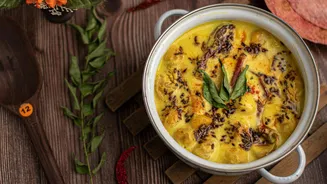
Dal Dhokli is a wholesome and comforting dish, comprising a flavorful lentil soup (dal) with wheat flour dumplings (dhokli) simmered in it. The dish is a complete meal in itself, combining the goodness of lentils with the heartiness of the dumplings. The dal is usually made with toor dal (split pigeon peas), seasoned with aromatic spices like turmeric, cumin, and coriander. The dhokli, made from wheat flour, is kneaded with spices and then added to the simmering dal. The slow cooking process allows the flavors of the dal and dhokli to meld together, creating a rich and savory stew. It's a filling and satisfying dish, perfect for a cold day or anytime you crave comfort food. Dal Dhokli is often served with a dollop of ghee and a side of fresh coriander, enhancing the flavors and texture. This dish represents the Gujarati philosophy of creating simple, yet flavorful meals that are both nutritious and satisfying.
Fafda-Jalebi: Sweet & Savory
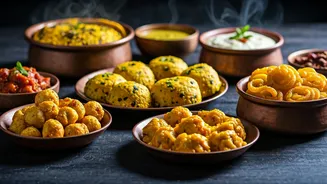
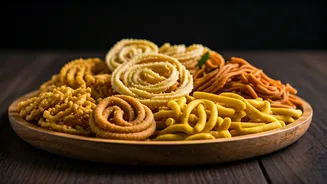
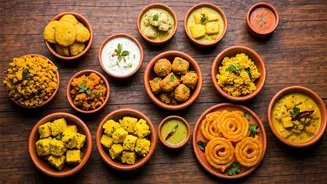
Fafda-Jalebi is a classic Gujarati breakfast combination, loved for its contrast of textures and flavors. Fafda is a crispy, savory snack made from gram flour, deep-fried until golden brown. Jalebi is a sweet, syrup-soaked dessert, made from fermented batter, also deep-fried and soaked in sugar syrup. The contrast between the savory fafda and the sweet jalebi is what makes this combination so appealing. The fafda is often served with chutney, and sometimes, with a side of fried green chilies. The sweetness of the jalebi complements the savory nature of the fafda. This combination is a popular street food and is enjoyed during festive occasions. Fafda-Jalebi is more than just a snack; it's a cultural experience, representing the vibrant food scene of Gujarat. This dish is perfect for those who enjoy a mix of flavors.
Khaman: Spongy and Delicious
Khaman is a steamed, savory snack similar to Dhokla, made from gram flour. Unlike Dhokla, which uses fermented batter, Khaman can be made without fermentation, making it a quicker option. The batter is seasoned with spices and then steamed until it becomes light and spongy. It’s typically tempered with mustard seeds, asafoetida, curry leaves, and green chilies. Khaman is known for its soft and airy texture. It's often served with a variety of toppings, including chopped coriander and sev (thin, crispy noodles made from gram flour). Its subtle flavors and spongy texture make it a popular choice for breakfast or as a snack. Khaman is easy to prepare and versatile, easily adapting to different spices and toppings, allowing for customized flavor profiles. It's a quick and easy option for any occasion.
Shrikhand: Creamy Dessert
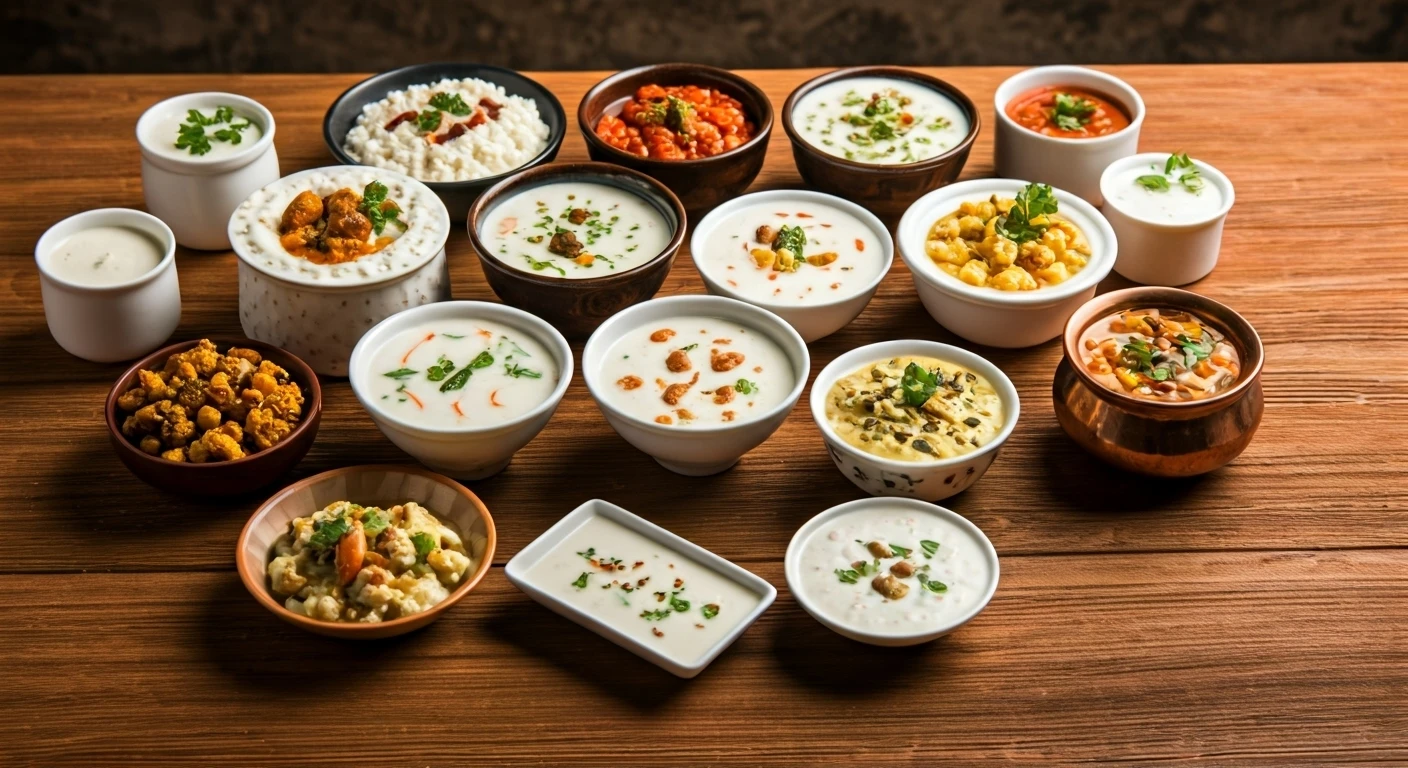
Shrikhand is a creamy, sweet dessert made from strained yogurt. The yogurt is strained to remove the whey, resulting in a thick, dense yogurt that is then sweetened with sugar. The mixture is often flavored with cardamom, saffron, and nuts. Shrikhand can be served plain or with toppings like chopped fruits or nuts. It's a refreshing dessert, especially during the warmer months. The richness and creaminess of Shrikhand makes it a delightful treat for special occasions and festive celebrations. The addition of saffron, cardamom, and nuts not only enhances the flavor but also adds to the aesthetic appeal of the dessert. Shrikhand represents the Gujarati fondness for sweets and is a perfect ending to a delicious meal. It is a simple yet elegant dessert that appeals to all ages and palates.