





Essential Materials Needed
Embarking on the journey to create your own African-inspired terrazzo tiles begins with assembling a carefully curated collection of materials. You'll
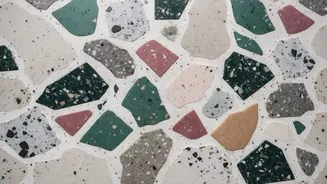
require a robust base material, typically cement, to form the foundation of your tiles. For the decorative elements, gather a vibrant assortment of marble chips or even salvaged glass fragments, ensuring their colors resonate with the spirit of traditional African art – think warm earthy tones or bold, striking hues. Essential tools for mixing, such as a sturdy container, and equipment for shaping and finishing, like trowels and polishing tools, are also paramount. Having everything readily available before you start will significantly streamline the crafting process, allowing your creative flow to remain uninterrupted as you bring your vision to life.
Designing Your Patterns
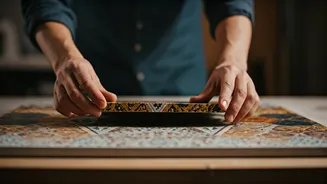
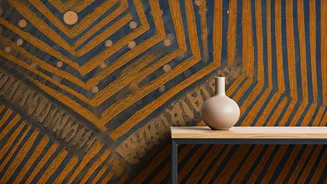
The soul of your African-inspired terrazzo tiles lies in their distinctive patterns. Before you even mix your first batch of cement, dedicate ample time to studying and drawing inspiration from traditional African motifs. Explore the intricate geometric designs and powerful tribal symbols that have adorned African art for centuries. It's highly recommended to sketch out your chosen patterns on paper first. This crucial pre-visualization stage allows you the freedom to experiment with different arrangements, color combinations, and spatial layouts, ensuring that the final design perfectly captures your aesthetic goals and historical appreciation. Once satisfied with your paper design, you can then confidently transfer it onto the tile surface, ready for the application of your decorative aggregates.
Mixing and Pouring the Base
With your artistic vision meticulously planned, the next step involves preparing the foundational layer for your unique tiles. This begins by combining cement with water in your mixing container. Aim for a smooth, workable consistency, much like thick pancake batter, ensuring that there are no dry lumps and the mixture is homogenous throughout. Once you've achieved this perfect blend, carefully pour the cement mixture onto a flat, stable surface where you intend to form your tiles. Use a trowel or a spatula to evenly spread the mixture, ensuring a consistent thickness and a perfectly level surface across the entire area designated for the tile. This even base is critical for the subsequent placement of your decorative chips and for the overall structural integrity of the finished tile.
Adding Embellishments and Curing
Following the careful pouring of your cementitious base, the stage is set to introduce the captivating visual elements that will define your African-inspired terrazzo. According to your pre-designed pattern, begin to artfully sprinkle your chosen marble chips or glass fragments over the still-wet cement surface. Gently press each fragment into the base to ensure it is firmly embedded and will remain in place as the tile begins to set. This deliberate placement is key to achieving both visual appeal and durability. After the chips are securely in position, it is imperative to allow the tile sufficient time to cure. Adhere strictly to the manufacturer's guidelines for curing times; this process is vital for the tile to gain its full strength and hardness, preparing it for any subsequent finishing steps, such as polishing or sealing, should you choose to undertake them.