






Container Gardening Basics
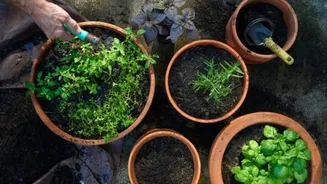
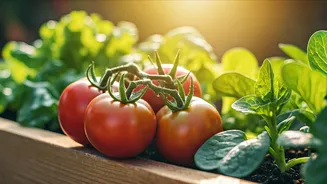
Embark on your gardening journey with container planting, an excellent starting point for those with limited space or fewer resources. This method involves
cultivating plants in pots or other vessels, offering a streamlined approach to plant care and maintenance. By focusing your attention on a select few plants, you can deepen your mindfulness as you meticulously observe their individual growth patterns and subtle transformations. The inherent flexibility of container gardening is another significant advantage; you can easily relocate your plants to optimize their exposure to sunlight or provide them with necessary shelter, adapting to their changing needs and your garden’s environment, making it an accessible and engaging way to connect with the green world.
Mastering Crop Rotation
Crop rotation is a sophisticated gardening strategy that involves dedicating distinct plant families to the same plot of land sequentially over different growing seasons or years. This deliberate practice not only fortifies the soil's vitality by preventing nutrient depletion and the build-up of specific pests and diseases but also compels gardeners to engage in proactive planning and thoughtful consideration of plant requirements and their symbiotic relationships. Through the methodical rotation of crops, you develop a heightened awareness of the unique needs of each plant species, fostering an profound and immersive connection with the intricate workings of your garden's ecosystem and promoting a sustainable approach to cultivation.
Embracing Vertical Growth
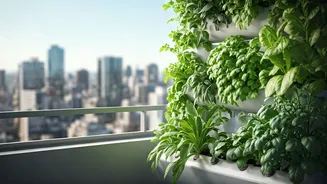
Vertical gardening revolutionizes how we utilize space by directing plant growth upwards rather than outwards, employing supportive structures like trellises, arbors, or wall-mounted planters. This innovative technique significantly maximizes spatial efficiency, particularly in compact environments, while simultaneously encouraging a more focused and mindful observation of plant development from varied perspectives. Beyond its practical benefits, vertical gardening adds a striking aesthetic dimension to any landscape or living area. It's an ideal solution for urban dwellers or those with limited horizontal space, allowing lush greenery to flourish on balconies, patios, or even indoor walls, transforming small areas into vibrant, living displays.
The Art of Companion Planting
Companion planting is a time-honored horticultural practice centered on the strategic intermingling of specific plant species that naturally enhance each other's well-being. These beneficial pairings can range from mutual pest deterrence, where one plant naturally repels insects harmful to its neighbor, to improved growth facilitated by symbiotic processes like nitrogen fixation. This method requires gardeners to cultivate an understanding of inter-plant dynamics, thereby sharpening their mindfulness as they meticulously observe the subtle interactions occurring within their garden ecosystem. Companion planting not only champions biodiversity but also offers a naturally effective approach to managing pests and diseases, reducing the need for artificial interventions.
Seasonal Planting Strategy
Developing seasonal planting schedules provides a structured framework for your gardening endeavors throughout the year, aligning your activities with prevailing climatic conditions and the specific needs of diverse plant types. This organized approach cultivates mindfulness by necessitating a keen attention to the evolving seasonal changes and the flexibility to adapt your horticultural strategies accordingly. By adhering to a well-planned schedule, you ensure that each plant receives optimal growing conditions tailored to its life cycle, fostering robust growth while keeping you intimately connected to the natural rhythms and cycles of the environment around you.