





Speech Topic Arenas
Earth Day provides a fantastic opportunity for students to delve into environmental consciousness through dynamic speeches. Topics can range from individual
contributions to broader environmental challenges. For instance, students can explore "Small Steps, Big Impact," illustrating how everyday actions like diligently saving electricity, drastically reducing plastic consumption, and consistently recycling can collectively lead to significant environmental improvements. Another compelling area is "Living a Zero-Waste Lifestyle," which encourages a deeper understanding of mindful consumption and waste reduction. Furthermore, presentations can tackle critical issues such as the pervasive problem of plastic pollution, the alarming rate of deforestation, and the multifaceted nature of climate change. Crucially, these speeches should not just highlight the problems but also present actionable solutions, like advocating for renewable energy sources or emphasizing the profound benefits of widespread tree planting initiatives. Discussions around conservation and biodiversity can highlight the delicate balance of ecosystems, focusing on the importance of protecting endangered species, preserving vital forest habitats, and understanding the intricate web of life that sustains our planet. Encouraging reflection on the historical significance of Earth Day and its enduring relevance today is also vital, with themes like "Investing in Our Planet" and "Building a Sustainable Future" fostering a sense of long-term responsibility. Finally, action-oriented topics like "Be a Planet Hero" or "Growing Your Own Food" empower younger speakers with simple, direct messages about personal environmental stewardship, making the concept of ecological care accessible and engaging.
Poster Design Concepts
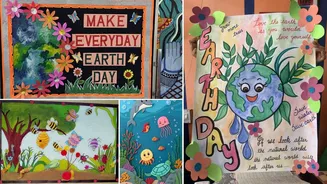
Visual storytelling through posters is a powerful medium for Earth Day competitions, allowing students to convey vital environmental messages creatively. The "One Earth, One Chance" theme can be visually represented by a central globe embraced by diverse cultural symbols, powerfully communicating the universal need for collective environmental protection and shared responsibility. A striking "What Will You Leave Behind?" poster concept could divide the visual space into two starkly contrasting halves: one depicting a polluted, degraded landscape and the other showcasing a vibrant, thriving natural environment. This strong juxtaposition effectively illustrates the direct consequences of human actions on the planet. The "Dear Future Earth" idea invites imaginative expression, where children can compose short letters or messages within the outline of a globe, surrounded by their optimistic visions for a greener future, blending personal aspiration with environmental concern. For collaborative projects, the "Small Hands, Big Change" poster utilizes handprints, artfully arranged to form elements like trees, animals, or flowers, symbolizing how each individual's effort contributes to a larger, unified environmental movement. Older students might find appeal in the structured, educational approach of "The Earth’s Seasons" poster, a four-panel design showcasing the cyclical beauty of spring, summer, autumn, and winter, presenting the Earth as a dynamic, living system. These diverse artistic avenues empower students to translate their understanding and passion for environmental preservation into impactful visual statements.