







The 'Straight Back' Fallacy
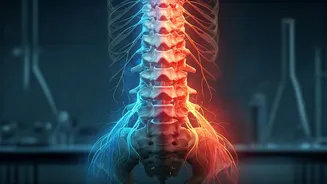
A rigidly straight back isn't the golden ticket to spinal health it's often made out to be. The real goal is maintaining your spine's natural, gentle curves.
Forcing a perfectly upright posture, especially for extended durations, can paradoxically lead to muscle strain and significant discomfort. Instead of striving for an unnatural rigidity, focus on achieving a neutral spine position that accommodates the slight, inherent curvature in your lower back. This approach allows your muscles to relax and your spine to be supported in a way that feels more natural and less taxing over time.
Chairs Matter Greatly
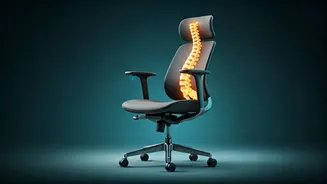
Believing all seating is equal is a significant oversight when it comes to spinal care. The chair you use plays a crucial role in supporting your posture and overall back health. An ideal chair provides targeted support, particularly in the lumbar region, to cradle the natural inward curve of your lower back. Seek out seating with adjustable components that allow you to tailor its fit to your unique body shape and how you prefer to sit. Opting for an ergonomically designed chair can be a transformative investment, significantly boosting both your immediate comfort and contributing to the prevention of long-term spinal issues.
The Necessity of Movement
The idea that once you achieve perfect seating posture, you can remain stationary for hours is a detrimental myth. Prolonged sitting, even with excellent posture, inevitably leads to muscle stiffness and general discomfort. To combat this, it's vital to incorporate regular movement throughout your day. Aim to stand up, walk around, or perform simple stretches at least once every hour. These brief interruptions help alleviate accumulated tension in your muscles and joints, promoting better circulation and reducing the physical strain associated with sedentary behavior.
Posture's Wider Impact
It's a common misconception that posture's influence is limited solely to back pain. In reality, your postural habits have far-reaching effects on your overall well-being. When you maintain poor posture, such as slouching or hunching over for extended periods while working at a desk or looking at screens, it can lead to a cascade of other health problems. These can include persistent headaches, feelings of pervasive fatigue, and even digestive disturbances due to the compression of internal organs.
Age and Posture
The notion that posture concerns are primarily for the young is a widespread but inaccurate belief. In truth, detrimental seating habits can negatively impact individuals across all age groups. Over time, the cumulative effect of improper sitting can manifest as chronic pain and persistent discomfort. Therefore, cultivating good seating habits early in life is essential, as these practices lay the foundation for preventing the onset of such issues later on, irrespective of one's age.