




Sharpen Your Mind
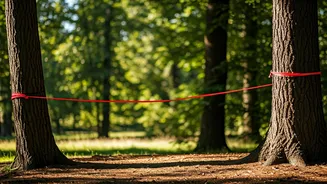
Slacklining demands unwavering concentration, compelling you to remain fully present as you navigate the unstable line. This continuous focus cultivates
a heightened sense of mindfulness, effectively training your brain to improve attention span and mental clarity. The inherent challenge of maintaining equilibrium acts as a natural stress reliever, encouraging a state of calm and reducing feelings of anxiety. Engaging in regular slacklining can lead to a sharper cognitive function and a more focused outlook on daily tasks.
Boost Heart Health
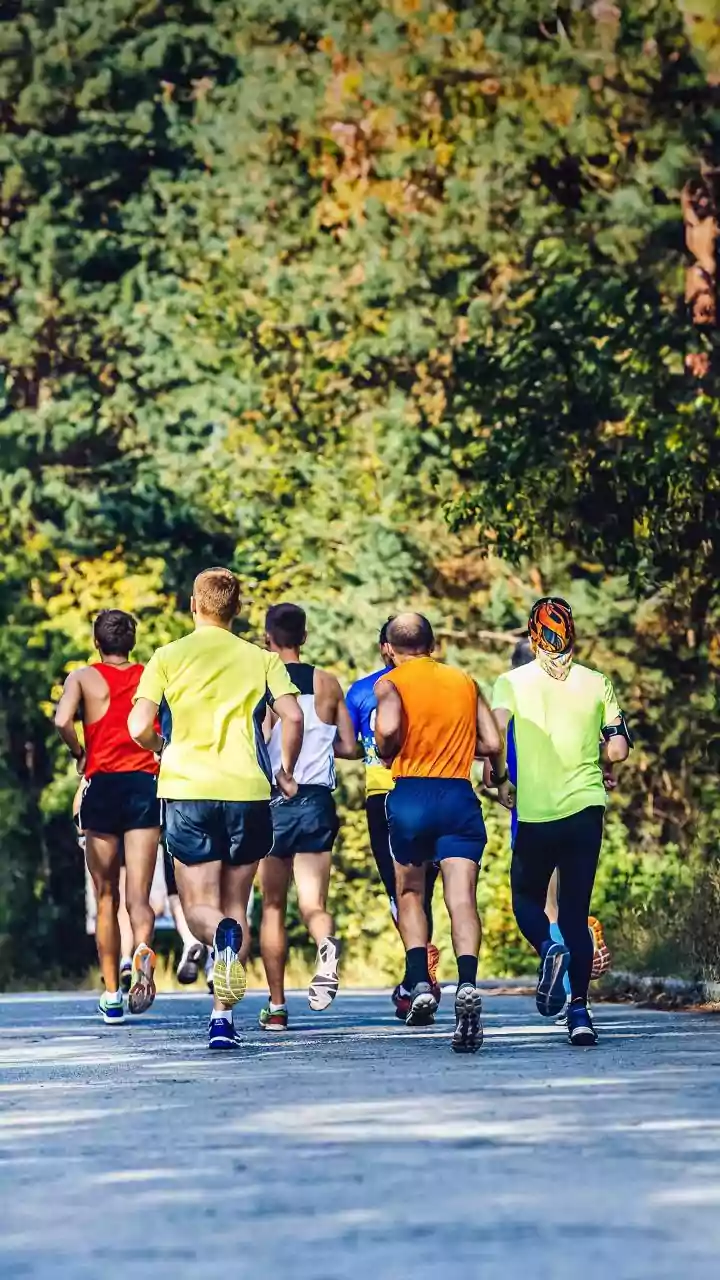
Contrary to initial perceptions, slacklining offers a significant cardiovascular workout. This low-impact activity effectively elevates your heart rate, promoting improved blood circulation and reinforcing the strength of your cardiac muscles. Consistent practice on the slackline can contribute to enhanced stamina and a noticeable increase in overall energy levels throughout your day, making you feel more vigorous and less fatigued.
Enhance Flexibility
The dynamic adjustments required to stay balanced on a slackline naturally encourage a variety of stretching movements. These fluid motions help to gently loosen stiff muscles and joints, gradually increasing your range of motion. This enhanced flexibility achieved through slacklining can be instrumental in preventing injuries during other forms of exercise and everyday activities, ensuring your body moves more freely and safely.
Foster Connections
Slacklining thrives in social environments, often practiced in groups or with partners, which inherently fosters community spirit and interaction. Whether in a local park or at organized events, the activity draws together individuals who share a passion for fitness and the outdoors. This shared experience not only amplifies the enjoyment but also serves as a powerful catalyst for forming friendships and establishing supportive networks.
Elevate Body Sense
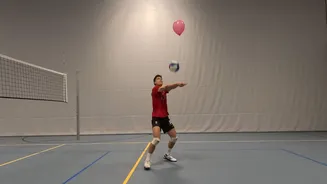
Proprioception, the innate ability of your body to understand its position and movement in space, is crucial for coordination and balance. Slacklining intensely challenges and refines this sense by requiring constant micro-adjustments to maintain stability on the dynamic line. Over time, this heightened proprioceptive awareness leads to significantly improved coordination skills, benefiting performance in various sports and enhancing control in daily activities that demand precise balance.