







What is Typhoid?
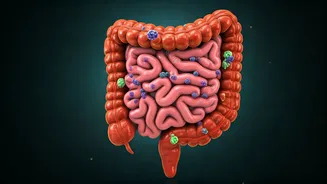
Typhoid fever, a severe illness, is triggered by the bacterium Salmonella Typhi. It spreads through contaminated food and water, highlighting the significance
of hygiene. This infection often impacts areas with poor sanitation, posing a significant public health challenge. Understanding typhoid is the initial step towards effective prevention and management. The disease's transmission methods underscore the necessity for safe water sources and food handling practices to minimize the risk of infection. Early detection is also essential for prompt treatment and reducing the spread of the disease.
Recognizing the Symptoms
Symptoms of typhoid fever can vary, with the most common being a persistent high fever. Other signs include headaches, weakness, abdominal pain, and loss of appetite. Some individuals may also experience a rash known as 'rose spots.' Early recognition of these symptoms is critical for timely diagnosis and treatment. Seeking medical advice at the onset of symptoms can prevent complications and aid in the effective management of the illness. The progression of symptoms can escalate if left untreated, emphasizing the importance of prompt medical attention and diagnostic tests to confirm the presence of typhoid fever.
Preventive Measures Explained
Preventing typhoid involves several key measures. These measures include practicing good hygiene, consuming safe food and water, and considering vaccination in high-risk areas. Thorough handwashing, particularly before meals and after using the restroom, is essential. Ensuring food is cooked properly and avoiding street food from uncertain sources can significantly reduce the risk of infection. Vaccination is an additional preventative measure, especially for those traveling to or living in regions where typhoid is prevalent. Staying informed about local health advisories and practicing these precautions can offer significant protection against typhoid fever.
Precautions to Take
If you suspect you have typhoid fever, seek immediate medical attention. Accurate diagnosis often requires blood tests or stool samples to confirm the presence of the Salmonella Typhi bacteria. Treatment usually involves antibiotics, prescribed by a healthcare professional. It is essential to complete the entire course of antibiotics, as directed. Furthermore, rehydration is crucial, ensuring you drink plenty of fluids to counter dehydration caused by the illness. Strict adherence to medical advice and follow-up care is essential for full recovery and preventing complications, such as intestinal bleeding or perforation.
Hygiene and Sanitation
Good hygiene plays a vital role in preventing typhoid fever. This includes frequent handwashing with soap and clean water, especially before handling or eating food. Ensuring that drinking water is from a safe and treated source is crucial. Food safety practices, such as washing fruits and vegetables thoroughly and cooking food at the appropriate temperatures, are also necessary. Implementing improved sanitation facilities, particularly in crowded areas, can significantly reduce the spread of the disease. Promoting awareness of hygiene and sanitation practices within communities is key to minimizing the risk of infection and maintaining public health.