





Deep Breathing for Calm
Harness the power of your breath to tranquilize your nervous system and melt away the day's anxieties. By consciously controlling your inhalation and exhalation,
you can significantly lower stress levels and induce a sense of peace. Find a serene spot, either sitting or lying down, and begin. Inhale gently through your nose, counting to four, pause for four counts, and then exhale slowly through your mouth for six counts. Repeating this rhythmic breathing pattern several times will guide you toward a profoundly relaxed state, setting the stage for a peaceful transition into sleep. This practice anchors you in the present moment, away from racing thoughts.
Gentle Body Stretches
Prepare your physical self for repose through a series of gentle stretches. These movements are designed to release accumulated muscle tension and enhance your body's natural flexibility, paving the way for more profound relaxation. As you move through simple stretches like neck rolls, shoulder rotations, or gentle forward bends, pay close attention to the subtle sensations within your muscles and joints. This deliberate focus on physical awareness fosters a mindful connection with your body, helping to alleviate any lingering physical discomfort that might hinder sleep. The mindful engagement with each stretch encourages a holistic approach to unwinding.
Digital Detox Evening
Safeguard your sleep quality by consciously limiting your exposure to electronic screens as bedtime approaches. The artificial blue light emitted from devices like smartphones, tablets, and computers can disrupt your body's natural sleep-wake cycle, making it challenging to unwind and fall asleep. Establish a firm cutoff time each evening for all digital devices. Instead of passively scrolling or binge-watching, opt for activities that promote tranquility, such as immersing yourself in a captivating book or listening to soothing music, thereby creating a screen-free sanctuary conducive to rest.
Mindful Journaling
Dedicate a few minutes before sleep to journaling, a powerful technique for processing the day's experiences and emotions. This practice offers a safe and constructive avenue for externalizing any feelings or thoughts that may have accumulated, preventing them from lingering in your mind. Allocate approximately ten minutes to pen down significant thoughts, vivid memories, or any events that have particularly resonated with you throughout the day. By releasing these mental contents onto paper, you create a sense of clarity and can free up mental space, allowing for a more serene and uninterrupted sleep.
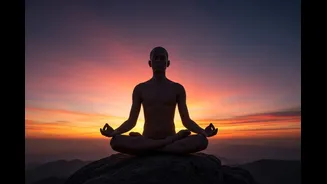
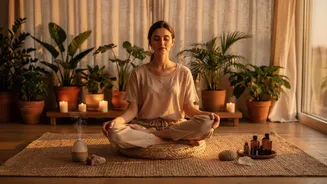
Evening Meditation
Incorporate meditation into your nightly routine as a potent method for deepening mindfulness and achieving a state of present-moment awareness. This practice trains your attention, allowing you to observe your thoughts and feelings without judgment and detach from external stressors or future worries. Find a comfortable seated position, gently close your eyes, and direct your focus to the natural rhythm of your breath. Consistent practice cultivates a heightened sense of internal awareness, fostering a tranquil mind ready to embrace a night of restorative sleep, free from the distractions of daily life.