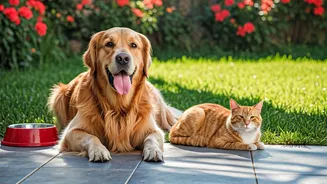







Hydration is Key
Maintaining adequate hydration is paramount for pets during the sweltering summer months, as dehydration presents a primary danger. It's imperative to
consistently provide access to clean, cool, and fresh water throughout the entire day. Regularly refreshing their water bowls and even adding ice cubes during the hottest parts of the day can significantly enhance your pet's comfort and prevent excessive fluid loss. Beyond just water, incorporating moisture-rich foods can also contribute to their hydration levels, making sure they stay replenished and protected against the heat.
Cool Retreats for Pets
Creating a sanctuary of coolness is essential for your pet's well-being when temperatures rise. Ensure they have a dedicated space that is well-ventilated and shielded from direct sun exposure. For breeds prone to overheating or those with thick fur, consider utilizing cooling mats or placing damp towels in their resting area. This simple measure can effectively help regulate their body temperature and provide much-needed relief from the oppressive heat, allowing them to relax and recuperate safely indoors or in their designated cool zone.
Smart Walking Strategies
Timing your pet's outdoor excursions is critical to avoid the perils of extreme heat. It's advisable to restrict walks to the cooler parts of the day, namely early mornings and late evenings. Pavements and asphalt surfaces can retain significant heat, posing a risk of burns to delicate paw pads and contributing to rapid fatigue and dehydration. By choosing these cooler windows, you ensure that your pet can enjoy their exercise without the dangerous consequences of scorching ground temperatures and excessive ambient heat.
Grooming for Comfort
Proper grooming plays a vital role in helping your pet manage summer heat. Regular brushing helps to remove excess undercoat, which improves air circulation to the skin and aids in heat dissipation. However, it's crucial to avoid shaving your pet's coat completely unless specifically advised by a veterinarian. Their fur actually offers a degree of protection against sunburn and heat absorption. A well-maintained coat can therefore contribute to their overall comfort and safety during hot weather, allowing their skin to breathe.
Dietary Adjustments
Modifying your pet's diet during the summer months can aid in keeping them comfortable and healthy. Opt for lighter, easily digestible meals, and consider feeding smaller portions more frequently. Ensuring their diet is rich in moisture is beneficial; for instance, dogs can enjoy safe portions of watermelon, and occasional yogurt treats can be a refreshing option. These adjustments can help prevent digestive upset and contribute to their overall hydration and well-being during warmer periods.
Never Leave in Cars
A critical rule for pet safety in summer is to absolutely never leave your pets unattended in a parked vehicle. Even a brief period inside a car can lead to fatal heatstroke, as temperatures can skyrocket rapidly, often exceeding 40°C, irrespective of whether the windows are partially open. This is a non-negotiable safety measure that can prevent a tragic outcome and ensure your pet's life is never put at risk due to such carelessness.
Bathing Moderation
While keeping your pet clean is important, avoid overly frequent or early morning baths during extreme heat. Excessive bathing can strip your pet’s coat of its natural oils, potentially leading to dry skin. Instead, opt for moderate bathing with lukewarm or cool water during the milder parts of the day. This approach helps maintain hygiene without compromising their skin's protective barrier, ensuring a balance between cleanliness and comfort.
Recognize Distress Signals
Being vigilant about your pet's behavior is crucial for their summer safety. Pay close attention to warning signs such as excessive panting, profuse drooling, or indications of weakness and lethargy. These symptoms could signal heat exhaustion, a serious condition requiring immediate attention. Prompt cooling measures and a swift visit to the veterinarian can be life-saving, so never disregard these critical indicators of distress.
Avoid Hot Surfaces
Walking your pet on hot pavements or asphalt surfaces is highly dangerous and can cause severe burns and discomfort. These materials retain heat long after the sun has set. Always perform a simple test: place your hand on the ground for five seconds. If it feels too hot for your palm, it is certainly too hot for your pet's sensitive paws. Seek out shaded or grassy areas for walks to protect them.
Pet-Safe Products Only
When considering topical applications for your pet, it is essential to use only products specifically formulated for animals. Many human sunscreens, lotions, and creams contain chemicals that can be toxic or cause adverse reactions in pets. Always consult with your veterinarian before applying any skincare product to your pet, even if it claims to offer UV protection, to ensure their safety and prevent potential harm.