




Variety Selection Secrets
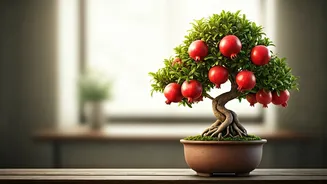
Embarking on your pomegranate bonsai journey begins with a crucial choice: the variety. Opt for naturally compact, dwarf cultivars specifically bred for their
smaller stature and propensity to produce diminutive leaves and fruits. These chosen types possess an innate inclination towards a denser growth pattern, making them exceptionally well-suited for the intricate art of bonsai. Diligent research into local horticultural centers or reputable online purveyors is highly recommended to pinpoint a cultivar that aligns with your aesthetic aspirations and the cultivation conditions you can provide. This initial step significantly influences the ease with which you can achieve the desired miniature form and overall health of your plant.
Soil and Pot Essentials
The foundation of a flourishing pomegranate bonsai lies in the perfect marriage of soil and container. Employ a soil mix that is both well-draining and enriched with organic matter, enabling it to retain adequate moisture without becoming waterlogged. This balance is vital for preventing root suffocation and decay. A shallow pot is indispensable, as it encourages essential root pruning and helps maintain the tree's petite dimensions, a hallmark of bonsai. Crucially, ensure your chosen pot is equipped with ample drainage holes. These openings are paramount for expelling excess water, thereby safeguarding the root system from the detrimental effects of prolonged saturation and the dreaded root rot.
Mastering Watering Rhythms
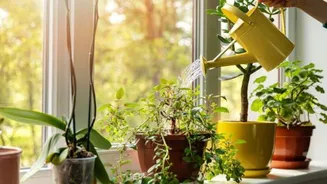
Achieving optimal health for your pomegranate bonsai hinges on a disciplined approach to watering. The golden rule is to irrigate when the uppermost inch of the soil feels dry to the touch. However, it is equally important to exercise restraint and avoid the pitfalls of overwatering, which can inflict significant damage upon the delicate root structure. When you do water, do so thoroughly, allowing the excess to freely drain from the pot's base. This ensures uniform moisture distribution throughout the entire root ball. Be mindful that your watering schedule should be dynamic, adapting to the changing environmental conditions and seasonal shifts throughout the year.
Pruning and Shaping Artistry
The meticulous practice of pruning is the cornerstone of maintaining your pomegranate bonsai's desired silhouette and manageable size. Consistent trimming of new growth, including shoots and leaves, stimulates denser branching and prevents the plant from outgrowing its intended form. Employ only sharp, clean cutting tools to ensure swift healing of wounds and minimize stress on the tree. To sculpt its artistic shape, explore techniques such as applying wire to gently guide branch direction or pinching back the tips of developing shoots to encourage bushier growth. These methods allow for the realization of unique and aesthetically pleasing forms, transforming your bonsai into a living sculpture.
Nourishing for Growth
Providing adequate nutrition is indispensable for sustaining the vitality and visual appeal of your pomegranate bonsai. During the active growing season, administer a balanced liquid fertilizer approximately every four weeks. As the cooler months approach and the plant's growth naturally decelerates, reduce the frequency of fertilization. Adherence to the manufacturer's dosage instructions is paramount; over-fertilization can lead to detrimental nutrient imbalances, potentially harming both the roots and foliage. Consistent, measured feeding will ensure your miniature tree remains robust and vibrant throughout its life.