


Planning Your Ring Road Trip
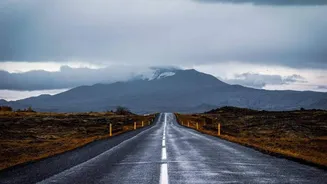
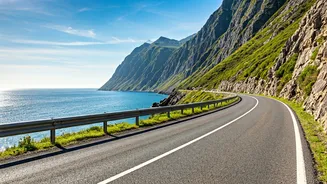
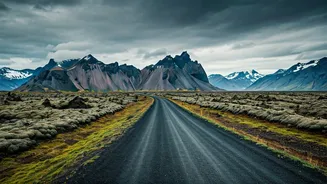
Iceland's Ring Road, a spectacular 1,332-kilometer circuit, offers an unparalleled opportunity to witness the island's dramatic geological tapestry firsthand.
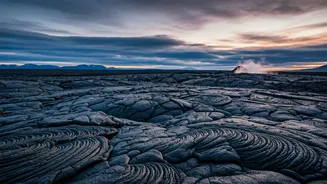
This comprehensive route allows travelers to immerse themselves in a world of contrasting landscapes, from majestic glaciers and powerful waterfalls to rugged volcanic terrains. Planning a journey on this iconic highway is key to unlocking its full potential, ensuring you experience the diverse natural beauty Iceland is renowned for. Understanding the best times to travel, crucial driving precautions, and available lodging will significantly enhance your adventure, making it a truly unforgettable exploration.
Seasons for Exploration
Choosing the ideal time to traverse Iceland's Ring Road is paramount to maximizing your experience. The summer months, typically from June to August, present the most favorable conditions. During this period, you'll benefit from extended daylight hours, which allow for more extensive sightseeing and exploration, as many natural attractions and roads are fully accessible. The weather is also relatively milder, making outdoor activities more enjoyable. Conversely, winter offers a dramatically different yet equally captivating perspective, with landscapes blanketed in snow. However, winter travel necessitates meticulous planning due to potentially challenging road conditions and significantly shorter daylight periods, requiring a more cautious and deliberate approach to your itinerary.
Must-See Landmarks
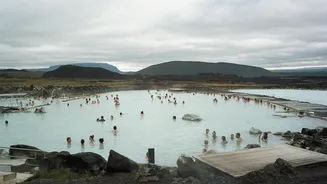
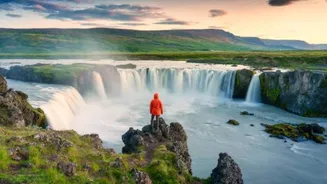
The Ring Road is dotted with an array of remarkable natural and geological wonders, each offering a unique glimpse into Iceland's awe-inspiring scenery. A significant highlight includes Thingvellir National Park, a UNESCO World Heritage site celebrated for its profound geological importance as the visible boundary between the North American and Eurasian tectonic plates, as well as its striking visual appeal. Prepare to be mesmerized by powerful cascades like Gullfoss, the 'Golden Falls,' and the breathtaking Seljalandsfoss, where you can even walk behind the curtain of water. For a rejuvenating experience, consider a dip in one of Iceland's geothermal hot springs, with the Blue Lagoon being a world-famous option. Each stop along this route promises distinct and memorable encounters with the raw beauty of the Icelandic wilderness.
Safe Driving Practices
Navigating Iceland's Ring Road demands a mindful and attentive approach to driving. Be particularly vigilant in rural and remote areas, as wildlife, such as sheep or horses, may unexpectedly venture onto the roadways. It is essential to regularly consult weather forecasts before embarking on each day's drive, as Icelandic weather patterns are notorious for their rapid and unpredictable changes, which can swiftly transform driving conditions from clear to hazardous. Furthermore, pay close attention to your fuel gauge. Outside of major towns and villages, gas stations can be sparsely located, making it crucial to refuel whenever the opportunity arises to avoid running low on fuel in isolated regions.
Accommodation Choices
Along the Ring Road, a diverse range of lodging options caters to various preferences and budgets. Travelers can choose from comfortable hotels and charming guesthouses situated in towns and villages throughout the route. Given the high demand, especially during the peak summer season, it is strongly recommended to secure your accommodation reservations well in advance. For those traveling on a tighter budget or seeking a more immersive experience with nature, hostels and designated camping sites are also available. These budget-friendly options, however, also require prior booking confirmation, particularly during the busy months, to guarantee availability and avoid disappointment.