



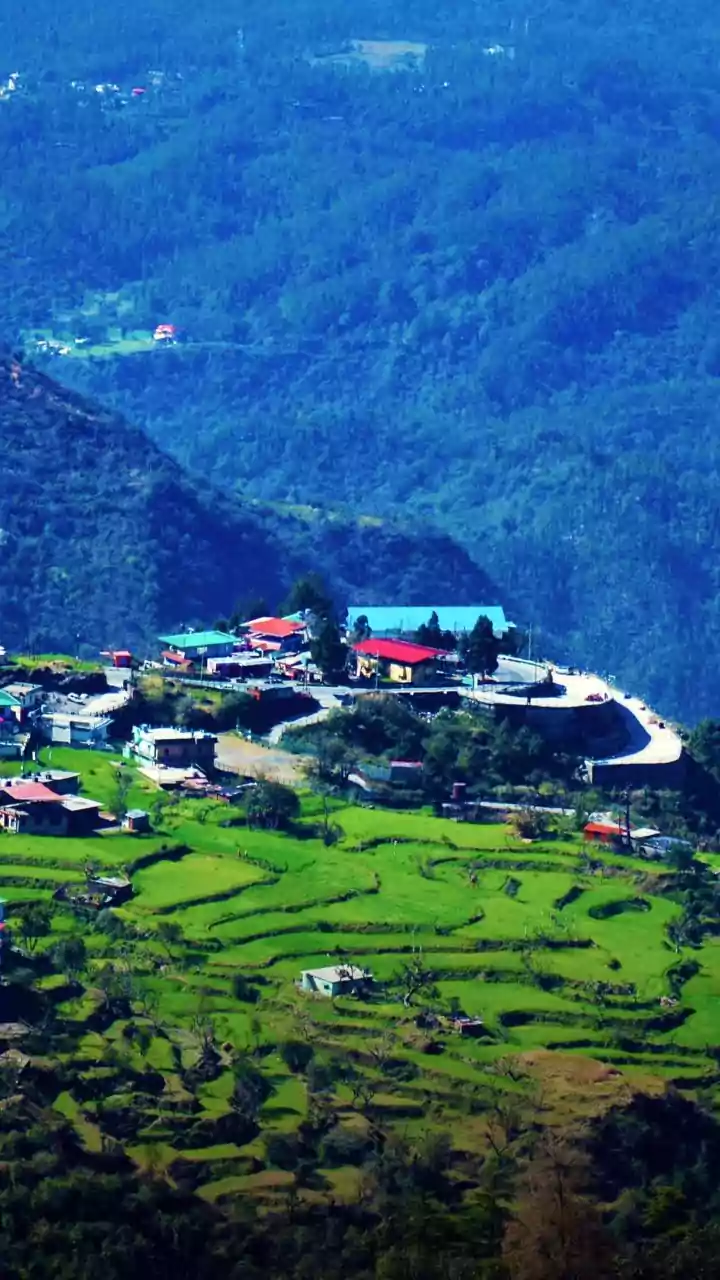





A Gem of Cleanliness
Nestled in the East Khasi Hills of Meghalaya, Mawlynnong has earned global acclaim as Asia's cleanest village, a title it cherishes through relentless
community effort. This picturesque hamlet is a testament to sustainable living, where meticulously maintained streets, ubiquitous bamboo dustbins, and a deeply ingrained culture of hygiene define its daily existence. Beyond its visual appeal, Mawlynnong is a vibrant hub of Khasi traditions, known for its matrilineal social structure and warm hospitality, often experienced through local homestays. It stands as a beacon of eco-tourism, demonstrating how a small community can thrive while prioritizing environmental preservation and cultural richness. The village's dedication to cleanliness is not merely an aesthetic choice but a fundamental aspect of its identity and a model for others aspiring to similar standards.
The Sunday Respite
Recently, Mawlynnong introduced a distinctive policy: a complete halt to single-day tourism on Sundays. This decision, effective from January 2026, was a deliberate choice by the local village council, the Dorbar, following extensive deliberations on the impact of continuous tourist influx. The constant stream of visitors, vehicles, and associated activities had begun to disrupt the tranquil village rhythm, interfering with daily routines and even sacred Sunday church services. To remedy this, a clear notice was posted, informing potential visitors of the Sunday closure, and villagers themselves politely manage any arrivals. Consequently, shops, cafes, and homestays voluntarily shut their doors, providing a much-needed day of rest for residents, including the dedicated cleaning staff, allowing the community to recharge and maintain its cherished peace.
Implications of the Ban
The Sunday tourism ban in Mawlynnong signifies a comprehensive pause for visitor-centric activities. All tourist attractions, eateries, shops, and even public facilities will be closed on this designated day, with only pre-booked overnight guests permitted in homestays. This measure is particularly significant given the village's popularity, which attracts over 300 visitors daily, swelling to around 500 during peak seasons. The move is seen as a progressive step towards achieving a sustainable balance between promoting tourism and safeguarding the community's well-being and cultural heritage. Notably, this initiative is influencing other villages in Meghalaya, encouraging a broader adoption of similar rules to better manage tourism impacts and preserve local life.