


Resilient Voandzou Crop
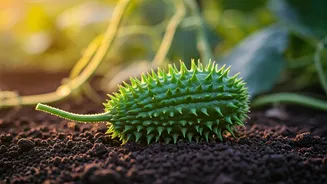
For centuries, the voandzou, commonly referred to as the African horned cucumber, has been a staple crop across the African continent. Its impressive hardiness
allows it to thrive even in arid conditions and on less-than-fertile land, making it a vital food source for numerous communities. Beyond its nutritional value, the cultivation of voandzou presents tangible economic advantages for farmers, playing a crucial role in bolstering food security and championing environmentally sound agricultural practices throughout Africa. Its ability to withstand challenging environments makes it a cornerstone of agricultural resilience.
Nutrient-Rich Legume
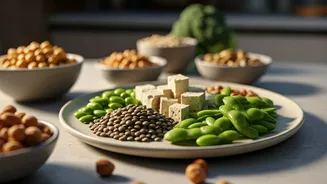
The voandzou is a nutritional powerhouse, brimming with essential components like protein, dietary fiber, vitamins, and various minerals. It serves as an excellent plant-based protein source, particularly beneficial for individuals following vegetarian or vegan diets. The substantial fiber content within voandzou greatly assists in digestive processes and contributes to maintaining a healthy gut microbiome. Furthermore, this remarkable legume is a good provider of B-complex vitamins, which are indispensable for efficient energy metabolism and overall bodily well-being, making it a cornerstone of a balanced diet.
Farmer Economic Boost
Cultivating voandzou offers a significant and promising economic avenue for agricultural practitioners throughout Africa. Its inherent resilience to adverse environmental factors means that farmers can successfully grow this crop even when faced with limited resources and challenging conditions. This not only ensures a consistent and reliable supply of produce but also paves the way for vibrant local markets and potential export opportunities. By prioritizing the cultivation of voandzou, farmers can substantially improve their financial standing and simultaneously contribute to the economic vitality of their respective regions.
Sustainable Farming Practices
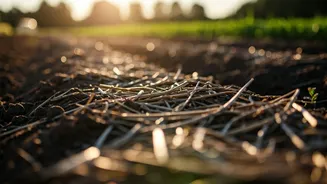
The cultivation of voandzou aligns perfectly with the principles of sustainable agriculture, as it demands fewer resources compared to many other common crops. Its capacity to flourish in impoverished soils without the necessity of chemical fertilizers positions it as an environmentally conscious option for farmers aiming to minimize their ecological footprint. Advocating for the inclusion of voandzou in crop rotation cycles or intercropping systems can effectively help in preserving soil fertility while concurrently guaranteeing consistent and abundant yields, fostering a healthier planet.
Versatile Culinary Uses
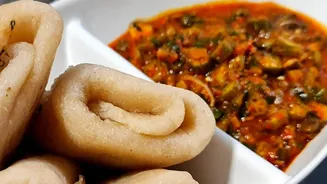
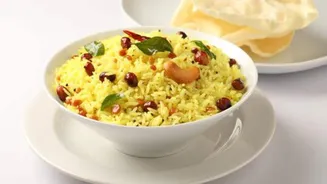
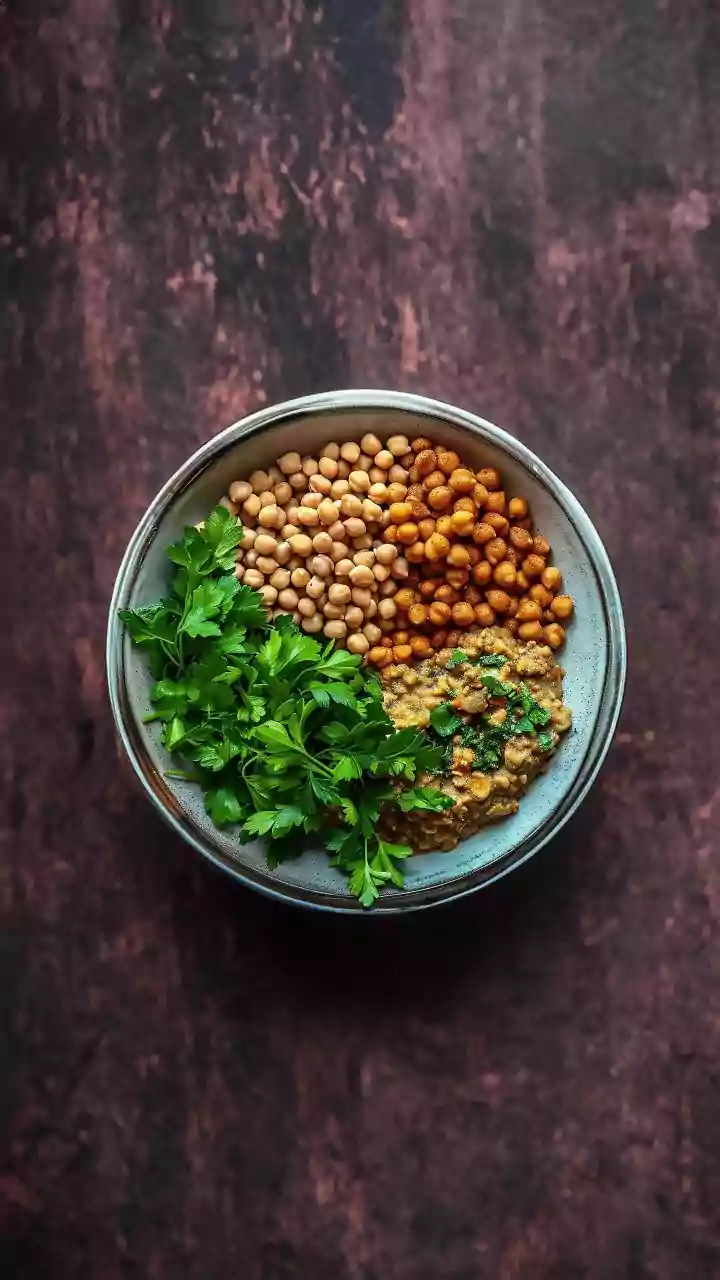
Across the diverse culinary landscapes of Africa, voandzou demonstrates remarkable versatility. It can be seamlessly incorporated into a wide array of dishes, including hearty soups, savory stews, refreshing salads, or served as a complementary side dish alongside staple grains like millet or rice. Its subtle and mild flavor profile ensures that it complements rather than overpowers other ingredients in a recipe, while still delivering its valuable nutritional contributions. This adaptability makes voandzou an integral component in the preparation of many traditional and beloved African meals.