


Mathura's Divine Peda
During the sacred observance of Chaitra Navratri, Uttar Pradesh offers a spectrum of traditional sweets that beautifully marry devotion with culinary artistry.
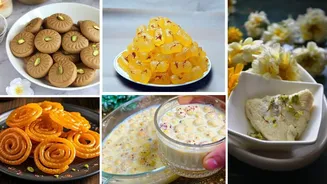
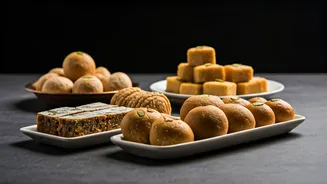
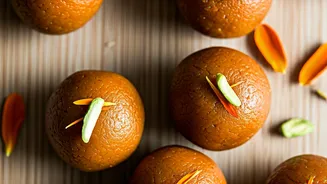
The revered city of Mathura contributes its iconic peda, a confection deeply intertwined with its spiritual significance. This beloved sweet is meticulously prepared by slow-simmering rich khoya with sugar and fragrant cardamom until it achieves a deep, caramelized hue and a delightful, slightly granular texture. Often presented as an offering to deities, Mathura peda is a quintessential part of Navratri festivities for those seeking both spiritual solace and delectable indulgence. Its preparation embodies patience and tradition, making it a beloved choice for fasting individuals who seek nourishment and a taste of divine connection. The sweet's enduring popularity stems from its simple yet profound ingredients and its historical association with the land of Lord Krishna.
Lucknow's Refined Malai Paan
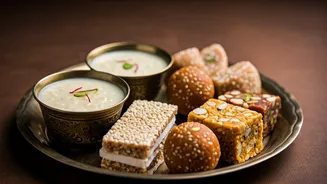
From the Nawabi heartland of Lucknow emerges the elegant malai paan, also known as malai ki gilori. This sophisticated sweet is a testament to Lucknow's rich culinary heritage, offering a delicate yet indulgent experience perfect for festive occasions and fasting periods. It features thin, creamy sheets of milk cream, expertly cooked to achieve a silky texture, which are then artfully folded around a filling of dried fruits, sweet mishri (rock sugar), and a subtle hint of rose essence. Often adorned with shimmering edible silver foil, malai paan provides a creamy, nutty, and subtly fragrant bite. Its origins are traced back to the opulent era of Nawab Wajid Ali Shah, reflecting the refined tastes and culinary innovations of the time. This exquisite dessert is a symbol of grace and flavor, making it a treasured treat during Chaitra Navratri.
Agra's Timeless Petha
The city of Agra, globally renowned for its architectural marvel, also boasts a celebrated sweet legacy with its iconic petha. This translucent confectionery is crafted from ash gourd, which is slowly simmered in a sugar syrup until it reaches a tender, jelly-like consistency. Agra's petha is available in various forms, from a drier, chewy version to syrup-soaked varieties, including delectable flavors like saffron and the tiny, grape-sized 'angoori' petha. Considered sattvic, it is a highly suitable and popular choice for those observing the strict dietary guidelines of Navratri, particularly on days dedicated to goddesses like Kushmanda. Its preparation involves a careful balance of sweetness and texture, making it a refreshing and satisfying indulgence that has stood the test of time and continues to be a favorite for many.
Fasting-Friendly Aloo Ki Jalebi
A unique and intriguing delight for Navratri fasting is the aloo ki jalebi, a savory twist on the typically sweet fried pastry. This distinctive preparation utilizes a batter made from mashed potatoes, often enriched with water chestnut flour or curd to achieve the right consistency. The batter is skillfully shaped into intricate spirals and then deep-fried to a delightful crispness. During the auspicious Chaitra Navratri period, traditional flours are often replaced with fasting-appropriate alternatives such as arrowroot or buckwheat, ensuring that this flavorful treat can be enjoyed by those observing dietary restrictions. The resulting aloo ki jalebi offers a wonderfully crispy exterior with a soft, potato-infused interior, providing a comforting and permissible indulgence during the sacred fasting days.
Nourishing Makhane Ki Kheer
Concluding our exploration of Uttar Pradesh's Navratri sweets is the wholesome and comforting makhane ki kheer. This traditional pudding is prepared by gently simmering roasted foxnuts (makhane) in rich milk, sweetened to perfection and often enhanced with the delicate aroma of cardamom. A generous scattering of chopped nuts adds a delightful textural contrast and an extra layer of flavor. Naturally gluten-free and a good source of calcium, makhane ki kheer stands out as a particularly nourishing and energy-boosting dessert option for individuals observing vrat. Its creamy consistency and subtly sweet profile make it an ideal dessert that is both satisfying and aligned with the principles of mindful eating during this sacred period.