




Repurposed Planters
Embrace resourcefulness by transforming everyday waste into vibrant garden containers. Instead of purchasing new pots, think creatively about materials
you already have. Old plastic bottles, sturdy tin cans, or even discarded buckets can be repurposed with a few drainage holes to become perfect homes for your plants. For larger projects, wooden pallets can be ingeniously reconfigured into charming raised garden beds, offering a rustic aesthetic while keeping soil contained. Furthermore, old newspapers can serve as an effective and biodegradable weed barrier, suppressing unwanted growth and enriching the soil as they decompose. This approach not only significantly slashes your gardening expenses but also champions a zero-waste ethos, diverting potential landfill items into productive garden features.
DIY Soil Enrichment
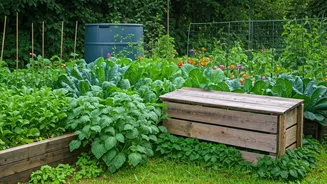
Nourish your plants organically by mastering the art of composting, a cornerstone of sustainable gardening that significantly reduces reliance on commercial fertilizers. Composting involves the natural decomposition of organic matter, such as kitchen scraps like fruit and vegetable peels, coffee grounds, and yard waste, into a rich, nutrient-dense soil amendment. This homemade 'black gold' provides essential nutrients for robust plant growth, enhancing soil structure and fertility over time. By creating your own compost, you not only save money on expensive store-bought fertilizers but also contribute positively to the environment by diverting organic waste from landfills, thereby minimizing methane gas emissions and promoting a circular economy within your garden ecosystem.
Native Plant Advantage
Cultivating resilience and reducing upkeep are key benefits of incorporating native plants into your self-sustaining garden design. These species are inherently adapted to thrive in your specific local climate, soil composition, and rainfall patterns, meaning they naturally require less intensive care compared to non-native introductions. This adaptation translates into substantial savings on water, as native plants are typically more drought-tolerant, and also reduces the need for fertilizers and pest control treatments. By choosing plants that are indigenous to your region, you actively support local biodiversity, providing vital habitats and food sources for native pollinators and wildlife, while simultaneously simplifying your gardening efforts and cutting down on resource consumption.
Strategic Plant Alliances
Harness the power of nature's partnerships through the practice of companion planting, a time-tested technique that fosters mutual benefits between different plant species. By strategically placing certain plants next to each other, you can enhance growth, deter pests naturally, and improve overall garden health without resorting to chemical interventions. For instance, planting marigolds alongside vegetables like tomatoes or peppers acts as a natural deterrent for common garden pests, protecting your crops through their natural aromatic properties. This symbiotic relationship minimizes the risk of pest infestations, reducing or even eliminating the need for synthetic pesticides and ensuring healthier produce, all while promoting a more balanced and productive garden ecosystem at no extra cost.
Water Wisdom
Implement a smart rainwater harvesting system to ensure a consistent, free, and eco-friendly water source for your garden, thereby conserving precious municipal water resources. Simple yet effective rain barrels can be strategically placed beneath downspouts to capture the natural runoff from your roof during precipitation events. This collected rainwater can then be stored and used for irrigating your plants, significantly reducing your reliance on treated tap water. By embracing this method, you not only decrease your household's water utility bills but also contribute to water conservation efforts, ensuring a more sustainable approach to garden maintenance, especially during dry spells.