




Lifestyle's Silent Toll
There's a noticeable and concerning surge in liver damage diagnoses among individuals in their 30s and 40s, a demographic previously less associated with
such ailments. Health specialists are pointing fingers at contemporary living patterns, which often involve a heavy reliance on processed foods, excessive intake of sugary beverages, regular alcohol consumption, and the often-unregulated use of gym supplements. Compounding these issues are increasingly sedentary lifestyles, rising rates of obesity, and prevalent metabolic disorders, all of which place an additional strain on the liver. The insidious nature of early liver damage is particularly troubling, as it frequently progresses without any obvious symptoms, leading many young people to underestimate the cumulative impact of their daily choices until significant complications arise. Experts emphasize that proactive screening and consistent preventive measures are crucial to curb the advancement of these conditions and, in some instances, even reverse early-stage damage, underscoring the importance of prioritizing liver health from a younger age.
The Fatty Liver Pathway
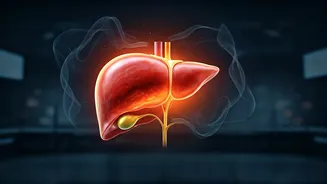
Fatty liver disease, if left unaddressed, possesses a documented pathway that can lead to more severe liver ailments. This progression typically initiates with simple fatty liver, characterized by an accumulation of fat in liver cells. Without intervention, it can evolve into Non-Alcoholic Steatohepatitis (NASH), a more serious condition marked by inflammation and liver cell injury. NASH can then lead to fibrosis, a scarring of the liver tissue. In its advanced stages, this scarring can result in cirrhosis, a condition where the liver is severely damaged and unable to function properly. Cirrhosis significantly elevates the risk of developing hepatocellular carcinoma, the most common form of liver cancer. While not every individual with fatty liver will follow this exact trajectory, those with pre-existing conditions like diabetes, obesity, metabolic syndrome, or a genetic predisposition face a considerably higher likelihood of experiencing this progression. The timeframe for this transition can vary widely, from just a few years to several decades, heavily influenced by individual lifestyle choices and the effectiveness of medical management. Therefore, consistent monitoring, maintaining a healthy weight, controlling blood sugar levels, and complete abstinence from alcohol are paramount in mitigating the risk of disease advancement and preventing long-term complications, including liver cancer.