






Fabric Fundamentals
The core performance of any windproof jacket hinges on its construction materials. Fabrics like nylon and polyester are frequently employed due to their
exceptional blend of being both lightweight and remarkably resilient. When evaluating options, prioritize those made with breathable textiles; this is critical for managing internal moisture generated by body heat, thus preventing that clammy sensation. Advanced designs might incorporate multiple fabric layers or specialized coatings, ingeniously enhancing wind resistance without sacrificing the garment's ability to let air circulate. This careful material selection ensures you remain dry and comfortable, even during strenuous activity or when facing persistent gusts.
Insulation Insights
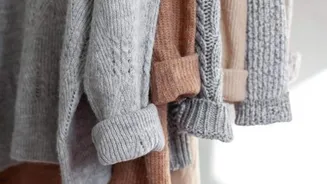
Beyond simply blocking wind, a jacket's ability to retain heat is paramount, and insulation plays a starring role here. Down fills are lauded for their incredible lightness and compressibility, making them easy to pack. However, their insulating power can diminish significantly when exposed to moisture, unless they have undergone specific water-repellent treatments. In contrast, synthetic insulations, such as those derived from fleece or Thinsulate, offer a more dependable warmth solution in unpredictable weather. They excel in maintaining their insulating properties even when damp and possess the added advantage of drying rapidly. This makes synthetic options a robust choice for adventurers who might encounter a variety of conditions, from crisp autumn days to damp winter mornings.
Fit and Functionality
Achieving the right fit is not just about aesthetics; it's intrinsically linked to how well a windproof jacket performs its primary function of keeping you warm. A jacket that fits correctly allows for unimpeded movement, which is vital for comfort during activities like hiking or cycling. Equally important is how snugly the jacket seals in warmth. Gaps around the cuffs or the hemline can allow chilling drafts to penetrate, undermining the jacket's protective qualities. Consider your intended use: an athletic cut offers a streamlined silhouette ideal for high-energy pursuits, while a more generous, relaxed fit is often preferred for casual outings and everyday wear, providing greater ease and layering potential.
Longevity Through Care
To ensure your windproof jacket continues to offer reliable protection for seasons to come, diligent maintenance is essential. Always consult the care label for specific instructions, as different materials require distinct approaches. Many windproof jackets benefit from gentle washing cycles using specialized detergents designed to preserve their water-repellent and wind-blocking properties. Furthermore, avoid exposing your jacket to high heat, particularly during the drying process, as this can irrevocably damage certain fabrics. Air drying, preferably in a shaded spot away from direct sunlight, is the recommended method to prevent color fading and material degradation, thus safeguarding your investment.