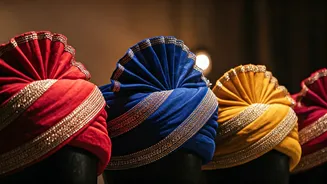






Pagdi: Pride's Crown
In the grand panorama of Rajasthani weddings, the turban, affectionately known as the 'pagdi,' stands as a cornerstone of tradition and an emblem of immense
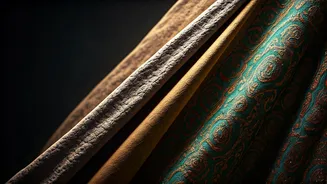
pride. More than just an accessory, it is a visual narrative woven with cultural significance, deeply intertwined with the festivities of marriage. The choice of color for these regal headwear is far from arbitrary; each hue is imbued with specific sentiments and meanings, offering a subtle yet profound communication of the emotions and aspirations surrounding the union. Understanding the language of these colored turbans provides a unique lens through which to appreciate the intricate customs and deeply held values that characterize Rajasthani wedding ceremonies, making them a truly immersive cultural experience.
Red: Love's Auspicious Hue
The resplendent red turban, or 'pagdi,' is a potent symbol of love and passion, frequently chosen by grooms in Rajasthani weddings to articulate their deep affection for their brides. Beyond its romantic connotations, red is a color universally revered in Indian culture for its auspiciousness, signifying joy, happiness, and new beginnings. Adorning a red turban enhances the celebratory spirit of the wedding, infusing the ceremony with a palpable sense of festivity and positive energy. This vibrant choice not only makes a bold visual statement but also carries deeply rooted cultural weight, symbolizing the warmth and excitement of the marital bond being forged.
Yellow: Prosperity's Promise
Embracing the warmth of the sun, the yellow turban is intrinsically linked with notions of prosperity and wealth in Rajasthani culture. grooms often opt for this cheerful hue, seeking to invoke good fortune and abundance as they embark on their married life. Yellow also carries a strong association with new beginnings, making it a fitting choice for couples stepping into a shared future. Its bright and optimistic shade injects a dynamic vibrancy into the wedding festivities, symbolizing not just material wealth but also the promise of a flourishing and happy life together. It's a color that radiates hope and well-wishes for the couple's journey ahead.
Green: Harmony's Gentle Shade
The serene green turban embodies the essence of peace and harmony, a beautiful sentiment for any new marriage. In Rajasthani weddings, a groom choosing green may be expressing a heartfelt wish for a tranquil and balanced married life. This color is also deeply connected to nature, symbolizing growth, renewal, and fertility. By donning a green pagdi, the groom visually underscores the importance of equilibrium and calmness in his relationship, aiming for a union that is as nurturing and enduring as the natural world. It represents a foundation of tranquility for the couple's shared path.
White: Purity's Essence
White turbans are selectively worn during specific wedding rituals or ceremonies where the emphasis is squarely on purity and sacredness. This color stands as a pure symbol of cleanliness, simplicity, and unblemished virtue, qualities highly esteemed across various cultures. In certain traditional contexts, grooms might select white pagdis as an integral part of their attire during specific wedding events, underscoring the spiritual and pure nature of the matrimonial vows being exchanged. It signifies an unadulterated beginning, reflecting the sanctity of the commitment.
Orange: Bravery's Bold Statement
The striking orange turban carries a powerful association with bravery and strength within Rajasthani traditions. Grooms who choose this vibrant hue may be signaling their courage and fortitude as they transition into a new chapter of life alongside their partner. This bold color not only adds a dynamic and assertive element to the groom's ensemble but also serves as a homage to the valorous spirit and enduring traditions that have been passed down through generations. It's a declaration of readiness and resilience for the journey of marriage.