






Prime Planting Location
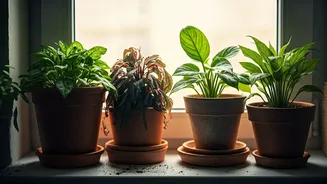
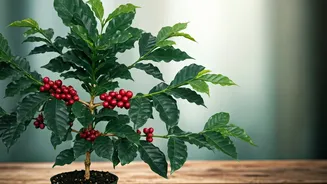
The cornerstone of a thriving coffee plant is its placement within your home. These tropical beauties crave abundant, yet diffused, light. Position your plant near
a window that receives ample indirect sunshine, such as those facing south or east, to mimic their natural habitat. Should your available natural light be insufficient, artificial grow lights can effectively supplement, ensuring your plant receives adequate illumination. Crucially, shield your coffee plant from harsh environmental extremes. Avoid placing it near heating vents or drafty windows, as sudden temperature fluctuations and dry air can induce significant stress, hindering its growth and overall health. A stable, well-lit spot is paramount for its well-being.
Humidity for Health
Coffee plants are native to humid, tropical environments and thus require a similar atmosphere to flourish indoors. Aim to maintain an ambient humidity level of between 40% and 60%. Achieving this can be accomplished through several straightforward methods. Employing a humidifier in the vicinity of your plant is an effective, consistent way to boost moisture in the air. Alternatively, placing a shallow tray filled with water near the plant's base can also contribute to increased humidity as the water evaporates. For an immediate boost, a light misting of water can provide temporary relief, but be cautious not to overdo this, as excessive moisture on leaves can sometimes encourage fungal issues. Consistent humidity is vital for their lush foliage.
Mastering Watering
The art of watering coffee plants lies in striking a balance between providing enough moisture and preventing waterlogged conditions, which can be detrimental. Your goal is to keep the soil consistently damp, akin to a well-wrung sponge, rather than saturated. A reliable method to determine watering needs is to check the top inch of the soil; if it feels dry to the touch, it's time to water. It is imperative that the pots used for your coffee plants are equipped with adequate drainage holes. This allows excess water to escape freely, preventing the roots from sitting in stagnant water, a common cause of root rot and subsequent plant demise. Thoughtful watering ensures robust root systems.
Ideal Soil Foundation
The substrate your coffee plant grows in plays a pivotal role in its development. An ideal soil mix for coffee plants strikes a balance between aeration and moisture retention, preventing the soil from becoming compacted and allowing roots to breathe. A well-draining potting mix enriched with organic matter is highly recommended. This type of blend ensures that while the soil holds onto necessary moisture, it also allows excess water to pass through, avoiding the dreaded soggy conditions. You have the option of purchasing a pre-formulated potting mix suitable for acid-loving plants or creating your own. A common DIY recipe involves combining equal parts of peat moss, pine bark fines, and perlite. This carefully balanced concoction promotes healthy root growth and nutrient uptake.
Pruning and Feeding
To encourage a bushier, more aesthetically pleasing plant, regular pruning is beneficial. This involves trimming back leggy stems or any foliage that appears unhealthy or damaged every few months. This not only improves the plant's shape but also redirects its energy into producing stronger, more vibrant growth. Fertilization is also a key component of successful coffee plant care, particularly during its active growing seasons. Apply a balanced liquid fertilizer every four weeks. It's crucial to dilute the fertilizer to half its recommended strength. This gentler approach prevents the risk of overwhelming the plant's root system, especially if it's a younger specimen, ensuring steady and healthy development.