







Understanding Heatstroke
Heatstroke is a critical medical emergency where the body's internal temperature regulation system fails, causing the body's core temperature to rise dangerously
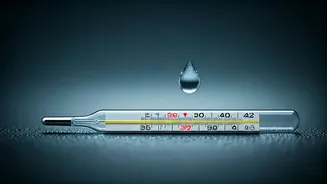
above 105°F (40.5°C). This elevated temperature, coupled with central nervous system dysfunction—manifesting as confusion, agitation, nausea, vomiting, drowsiness, or even seizures and coma—distinguishes it from mere fever. Unlike fever, where the body can still attempt to regulate temperature, in heatstroke, this mechanism collapses, necessitating external cooling interventions. It's also crucial to differentiate heatstroke from dehydration. While dehydration involves a reduction in blood volume and body fluids, heatstroke is primarily a problem of temperature regulation. The body's inability to dissipate heat effectively, especially under conditions of high ambient temperature and humidity, is the root cause. Early symptoms like fatigue, dizziness, nausea, and thirst are often overlooked until the condition escalates to a critical stage, by which time patients may be severely disoriented or unconscious.
Rising Cases and Vulnerable Groups
The alarming increase in heatstroke cases across India is directly attributable to escalating climate change and a lack of widespread awareness regarding its prevention and timely treatment. Dr. Amlendu Yadav notes that during his training, heatstroke was not a commonly discussed ailment, whereas now, dedicated units are being established to manage the influx of patients. In May 2024 alone, the heatstroke unit at Dr. Ram Manohar Lohia Hospital saw 75 patients, tragically resulting in 27 deaths, highlighting the severity and the urgent need for intervention. Without prompt medical attention, the global mortality rate for heatstroke can reach 80 percent; however, with timely and appropriate treatment, this figure can be dramatically reduced to around 10 percent. The most susceptible populations include individuals working outdoors for extended periods, such as traffic police, construction workers, street vendors, and security guards, as well as children and the elderly, who have a diminished capacity to cope with extreme heat.
Specialised Treatment Units
In response to the growing threat of heatstroke, dedicated units have been established, such as the one at Dr. Ram Manohar Lohia Hospital, which began operations in 2024. The cornerstone of treatment in these units is rapid cooling. A primary method employed is cold water immersion, where patients are placed in chilled water under constant medical observation to gradually lower their body temperature. The objective is to reduce the core temperature by approximately one degree Celsius every five to seven minutes, aiming to reach a safe level of around 38°C within 30 minutes. These units are equipped with specialized tubs, ice-making machinery, and advanced monitoring systems to ensure efficient and safe cooling. Furthermore, efforts are underway to equip ambulances to initiate cooling protocols en route to the hospital, recognizing that every minute is critical in improving survival chances. A field technique known as TACO (Tarpaulin Assisted Cooling in Field) involves placing the patient on a tarpaulin and rolling them with ice, demonstrating the emphasis on swift cooling measures wherever possible.
First Aid and Prevention
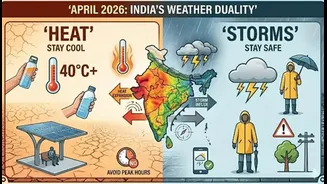
Immediate first aid can be life-saving when dealing with a heatstroke emergency. If the affected person is conscious, offering cool water to drink and performing cold sponging are crucial initial steps. Bystanders can help by moving the individual to a shaded area, applying cool, damp cloths or ice packs to the armpits and groin, and providing oral rehydration solutions (ORS). While advanced techniques like TACO exist, simpler cooling methods are vital for laypeople. The overarching goal is to bring down the body temperature as rapidly as possible before professional medical help arrives. Prevention, however, is paramount. Maintaining adequate hydration by drinking plenty of fluids like ORS, juices, buttermilk, and coconut water is essential. Avoiding peak sun hours, typically between 12 PM and 4 or 5 PM, is critical. Wearing loose, light-colored, and breathable clothing also aids the body in staying cool. General awareness about heatstroke and its risks is the first line of defense against this dangerous condition.
Dietary Advice and Neurological Impact
Diet plays a significant role in both preventing heatstroke and managing its effects. During periods of extreme heat, it's advisable to consume simple foods and a high intake of fluids. Recommended beverages include juices, buttermilk, sweet lassi, lemon juice, and coconut water, all of which help replenish lost fluids and electrolytes. Conversely, heavy, energy-dense foods should be avoided as they generate more internal body heat. While ice cream can offer temporary relief, its benefit is short-lived and it doesn't address the underlying need for sustained hydration and cooling. Beyond immediate physical effects, heatstroke can also have serious, long-term neurological and mental health consequences. If the body temperature remains excessively high for a prolonged duration, proteins within the body, including enzymes essential for bodily functions, can denature. This damage can be irreversible in some cases, leading to a permanent decline in mental status, meaning affected individuals may not fully regain their previous cognitive state. Not all patients experience these severe neurological sequelae, but the risk is significant.