






Calm Visual Ambiance
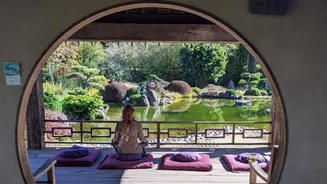
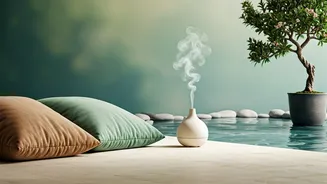
The visual environment plays a crucial role in setting the tone for meditation. Opt for color palettes that promote tranquility and reduce mental clutter.
Shades of soft blue, gentle green, or muted neutral tones are excellent choices, as they are scientifically linked to fostering a sense of peace and easing stress responses. These colors can be introduced through paint on the walls, the selection of soft furnishings like cushions and throws, or even through carefully chosen artwork. The goal is to create a backdrop that visually calms the mind, allowing for deeper immersion in meditative states and preventing visual distractions from pulling your focus away from your practice. A well-designed visual space acts as a visual anchor, grounding you in the present moment.
Harmonize Your Soundscape
Curating the auditory experience of your meditation space is paramount for deep relaxation. Introducing sounds that are pleasant and non-intrusive can significantly aid in achieving a focused state. This can involve playing soft, instrumental music, ambient nature soundscapes like gentle rain or ocean waves, or utilizing a white noise machine to mask distracting external noises. The strategic use of sound creates a serene auditory bubble, shielding you from the clamor of the outside world and facilitating a more profound connection with your inner self. This element is especially beneficial for individuals seeking to cultivate a consistently peaceful and undisturbed environment for their meditation sessions, ensuring that every session is a sanctuary of sound.
Embrace Tactile Comforts
Beyond what meets the eye or ear, the sense of touch is a vital component in creating an inviting meditation sanctuary. Incorporating soft and varied textures can greatly enhance the physical comfort and overall appeal of your space. Think about including plush cushions to support your body, a cozy, textured rug underfoot to provide a warm and grounding sensation, or a soft blanket to wrap yourself in during cooler moments. These tactile elements not only add layers of comfort but also make the space more inviting and pleasurable to spend extended periods in. The physical sensation of softness and warmth can be incredibly conducive to relaxation, making it easier for your body and mind to unwind and settle into a meditative state.
Infuse Aromatic Bliss
Engaging the sense of smell through aromatherapy can profoundly deepen your meditation practice. The right scents have the power to evoke calmness and promote a sense of well-being. Essential oils such as lavender, known for its calming properties, or eucalyptus, which can offer a refreshing yet soothing aroma, are excellent choices. These can be diffused into the air, used in candles, or even added to a warm bath near your meditation area. The subtle yet pervasive influence of pleasant fragrances helps to alleviate stress and anxiety, creating an atmosphere that is more conducive to achieving a state of profound relaxation and mental clarity. This olfactory dimension adds an invisible layer of tranquility to your personal retreat.
Delight with Taste
Introducing subtle elements of taste can further enrich the sensory experience of your meditation space, offering a gentle way to enhance overall relaxation without disrupting your focus. Consider having calming beverages readily available, such as herbal teas or water infused with subtle flavors. Teas like chamomile, renowned for its soothing qualities, or refreshing peppermint can be particularly beneficial. Enjoying these drinks before or after your meditation session can add a pleasant ritualistic element, extending the feeling of calm and mindfulness. This mindful consumption of flavorful refreshments complements the other sensory inputs, contributing to a holistic approach to creating a peaceful and rejuvenating sanctuary for your practice.