







The Mind-Body Link
The mind and body are intricately connected, with each influencing the other in profound ways. Our emotions, the internal weather of our minds, don't just
stay within our thoughts; they ripple outwards, affecting our physical state. This connection is not a new discovery; ancient philosophies and modern science alike acknowledge the interplay between the mental and the physical. When we experience joy, for example, our bodies often respond with increased energy, a lightness in our steps, and perhaps even a widening of our smiles. Conversely, when we grapple with sadness, our bodies might feel heavy, our movements sluggish, and a general sense of fatigue may set in. These physical manifestations of our emotions aren't random; they’re the result of complex biological processes involving hormones, neurotransmitters, and the nervous system. Understanding this relationship is a cornerstone of emotional intelligence, allowing us to recognize and respond to our feelings in healthier, more productive ways. Paying attention to these physical signals can provide valuable clues about our internal emotional landscape. When we tune into our bodies, we gain a greater capacity to navigate the ups and downs of life with resilience and self-awareness.
Anxiety's Physical Manifestations
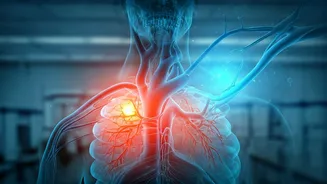
Anxiety, a common emotional experience, frequently presents itself through a series of physical symptoms. The body's response to anxiety is often a 'fight or flight' reaction, preparing us to face a perceived threat. This can manifest in various ways, with the chest area frequently being a focal point. Many individuals report experiencing tightness, pressure, or a rapid heartbeat in their chest when they feel anxious. This physical symptom arises due to the increased heart rate and heightened muscle tension associated with the anxious state. Additionally, the stomach is another site where anxiety often takes hold. Butterflies in the stomach, nausea, or even digestive issues are common physical reactions to anxiety. This happens because the gut-brain axis is significantly influenced by emotional states. The neck and shoulders are also prone to tension during anxiety. Muscles in these areas may tighten up, leading to headaches or discomfort. This muscle tension is a direct result of the body preparing for action, even if the perceived threat isn't physical. Understanding these physical responses to anxiety is crucial. It’s the first step in recognizing your emotional state and employing coping strategies to alleviate symptoms. Awareness of these signs allows for targeted interventions to ease both the physical and emotional burden of anxiety.
Joy's Physical Echoes
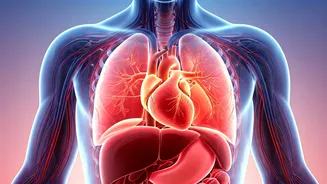
In stark contrast to the often-unpleasant physical symptoms of anxiety, joy tends to manifest in ways that feel uplifting and energizing. Joy typically radiates through the body, contributing to a sense of overall well-being. One of the primary physical signs of joy is often found in the face. A genuine smile, a crinkling of the eyes, and a relaxed jaw are all visual indicators of happiness. These expressions are not just superficial; they have a feedback effect, further enhancing the joyous state. Energy levels also tend to surge with the experience of joy. People often feel a burst of energy, a desire to be active, and a sense of lightness in their bodies. This increased energy level stems from the release of endorphins and other feel-good hormones that accompany positive emotions. The sensation of joy can also be felt in the chest and heart area. A feeling of warmth, expansion, or a sense of peace is commonly reported. This feeling is not just emotional; it can also be physiological, reflecting the body's relaxed and balanced state. Furthermore, a general sense of ease and relaxation may permeate the body. Muscles may feel less tense, and the individual may experience a heightened sense of overall comfort. Recognizing these physical manifestations is helpful for reinforcing and celebrating joyful experiences. It allows individuals to take greater advantage of these positive emotions and their benefits.
Anger's Physical Terrain
Anger, often experienced as a fiery emotion, has a specific and discernible physical impact on the body. Understanding this connection is crucial for effective emotional regulation. Anger frequently reveals itself in the head and face. The face may flush, the jaw clench, and the forehead furrow. This physical response is due to increased blood flow and muscle tension. Similarly, the heart rate increases, causing a sensation of pounding or a feeling of being 'worked up'. The increase in heart rate is part of the body's preparation for action, a physiological response stemming from the 'fight or flight' mechanism. The muscles in the body also tense up. Clenched fists, a stiff neck, and a rigid posture are common physical signs of anger. This muscular tension is the body preparing for potential conflict. Additionally, the stomach may be affected. Some individuals may feel a knot in their stomach or experience digestive upset. The connection between the gut and the brain, as previously mentioned, is a major contributing factor in this. When someone experiences anger, they may also notice their voice changing. It might become louder or deeper, reflecting the intensity of the emotion. Awareness of these physical symptoms can be an early warning signal, helping individuals recognize their anger. This recognition allows for the implementation of coping strategies, enabling them to control the physical and emotional effects of this powerful emotion.
Mapping Emotional Awareness
The ability to map and understand the physical manifestations of emotions is a valuable skill for enhancing self-awareness and emotional well-being. By paying close attention to the various parts of our bodies, we gain a greater insight into our emotional states. For example, if you notice a tightness in your chest or a rapid heartbeat, you might be experiencing anxiety. If you feel a lightness in your body and a smile comes easily, you might be experiencing joy. And, if you feel your face flush or your jaw clench, anger could be present. By connecting these physical sensations to their respective emotions, we create a more holistic understanding of our internal experiences. This deeper awareness facilitates more effective emotional regulation. When we notice the physical signs of an emotion, we can take proactive steps to manage it before it escalates. For example, recognizing the signs of anxiety can help one implement relaxation techniques or seek support. The same concept applies to all emotions. When we become aware of how our emotions feel in our bodies, we're better equipped to handle them with composure. This also fosters resilience and improved mental health. Making a conscious effort to pay attention to these subtle cues promotes a stronger connection between mind and body, allowing for a more harmonious experience of life.