







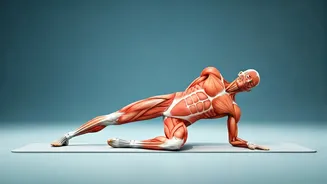
Stretching's Soreness Status
A widespread belief is that static stretching before or after a workout is the key to preventing post-exercise muscle soreness. However, scientific evidence
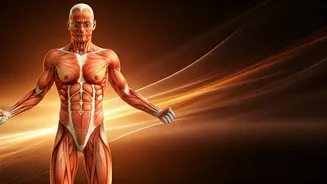
doesn't strongly support this claim. While maintaining flexibility is beneficial for overall physical health and can improve range of motion, its impact on alleviating delayed onset muscle soreness (DOMS) appears minimal. The discomfort experienced after strenuous activity is often linked to microscopic tears in muscle fibers and the subsequent inflammatory response, processes that traditional stretching doesn't significantly alter. Instead of relying solely on stretching for soreness relief, prioritizing a thorough warm-up to prepare your muscles for exertion and a gradual cool-down to aid in their return to a resting state are more effective strategies for managing post-workout discomfort and promoting efficient recovery.
Protein: More Isn't Always Better
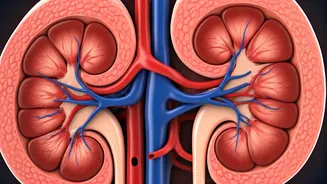
While protein is undeniably crucial for muscle rebuilding and adaptation following exercise, the idea that consuming excessive amounts will dramatically accelerate recovery is a common misconception. The human body has a finite capacity for protein synthesis at any given time. Ingesting significantly more protein than what the body can effectively utilize for repair and growth doesn't lead to proportionally faster recovery. In fact, an overabundance of protein can place an undue burden on the kidneys, as they work harder to process and excrete nitrogenous waste. Furthermore, focusing too heavily on protein to the exclusion of other macronutrients can lead to nutritional imbalances. Optimal recovery is achieved through a well-rounded diet that includes adequate carbohydrates for energy replenishment and healthy fats for essential bodily functions, alongside sufficient protein.
Ice Baths: A Nuanced Approach
Cold water immersion, often referred to as ice baths, has gained considerable popularity as a go-to recovery method, but its universal benefits are often overstated. While the immediate application of cold can effectively reduce inflammation and numb pain by constricting blood vessels, this same effect might interfere with the long-term adaptation process that occurs after training. By limiting blood flow, cold therapy could potentially hinder the delivery of nutrients and oxygen to damaged muscle tissues, which are vital for repair and growth. Therefore, incorporating ice baths sparingly and strategically, perhaps for acute injuries or specific types of intense training, is advisable. Exploring alternative recovery techniques such as active recovery (light movement) or gentle stretching could offer more consistent benefits for muscle adaptation and overall recovery without the potential drawbacks of aggressive cold exposure.
Sleep: The Underrated Recovery Pillar
There's a concerning underestimation of sleep's profound impact on exercise recovery. During periods of deep sleep, the body undertakes critical physiological processes, including the release of growth hormones essential for muscle repair and tissue regeneration. Furthermore, sleep plays a vital role in regulating other hormones that influence energy levels and stress responses. When sleep is insufficient or of poor quality, the body's ability to recover effectively is significantly compromised. This can manifest as persistent fatigue, diminished athletic performance in subsequent workouts, and a longer overall recovery period between training sessions. Consequently, prioritizing adequate, high-quality sleep should be considered as fundamental to a fitness routine as the workouts themselves, not an afterthought.
Hydration: Beyond the Workout
A prevalent misconception is that the importance of hydration begins and ends with the duration of a physical activity. In reality, maintaining proper fluid balance is equally, if not more, critical in the post-exercise period. Adequate hydration after a workout is indispensable for facilitating the internal transport of nutrients to the cells that require them for tissue repair. Water also plays a key role in removing metabolic waste products that accumulate during exercise. Failing to rehydrate sufficiently can lead to a cascade of negative effects, including fatigue, bothersome headaches, and a noticeable decline in cognitive function and concentration. These symptoms can impede your ability to perform optimally in daily life and further hinder your progress towards achieving your fitness aspirations.