

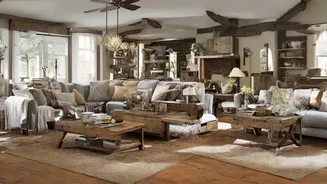
Embrace Dual-Purpose Pieces
Transforming a petite living area often hinges on selecting furniture that pulls double duty. Consider the transformative power of items like sofa beds,
which seamlessly convert from a seating area to a sleeping space, or storage ottomans that provide both a footrest and hidden compartments for your belongings. Foldable tables are another excellent choice, offering dining or workspace when needed and tucking away neatly when not in use. By strategically integrating these versatile furnishings, you can significantly reduce clutter and ensure that essential items are always within reach, all while maintaining a streamlined aesthetic that belies the room's actual size.
Go Upwards, Not Outwards
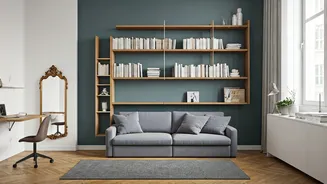
Maximizing every available inch is crucial in compact environments, and this is where vertical space truly shines. Installing wall-mounted shelving units or opting for tall, slender bookcases can dramatically increase your storage capacity without encroaching on precious floor space. Think about utilizing hanging organizers for smaller items, keeping them tidy and easily accessible. This approach not only helps maintain an organized living area but also contributes to an open, airy atmosphere by freeing up the ground level, making the room feel less obstructed and more expansive.
Define Zones with Carpets
Rugs serve as powerful visual anchors, capable of delineating distinct functional areas within a confined space. By thoughtfully placing a rug beneath a specific furniture grouping, you can effectively carve out separate zones for activities like sleeping, working, or simply unwinding. This design tactic doesn't just bring order to the layout; it also introduces welcome texture and warmth, enhancing the overall comfort and aesthetic appeal of the room. It’s a simple yet impactful method to bring a sense of purpose and visual separation to different parts of your home.
Lighten Up the Palette
The choice of colors for your walls and furniture plays a significant role in how spacious a room appears. Opting for lighter hues, such as crisp whites, soft beiges, or gentle pastels, can dramatically amplify the sense of openness and brightness. These lighter shades possess the ability to reflect light more effectively than their darker counterparts, creating an illusion of greater square footage. This makes the environment feel more welcoming and less confined, transforming the perception of the room's size and creating a more uplifting atmosphere.
Strategic Furniture Placement
Arranging your furniture with foresight is paramount in small-scale interiors. A key principle is to avoid obstructing natural pathways; whenever feasible, position pieces against walls or nestled into corners. Ensure there's adequate clearance between items to allow for comfortable movement throughout the space. This thoughtful layout not only enhances the room's functionality by ensuring easy navigation but also contributes to a more pleasing and less cluttered visual flow, making the entire area feel more harmonious and user-friendly.