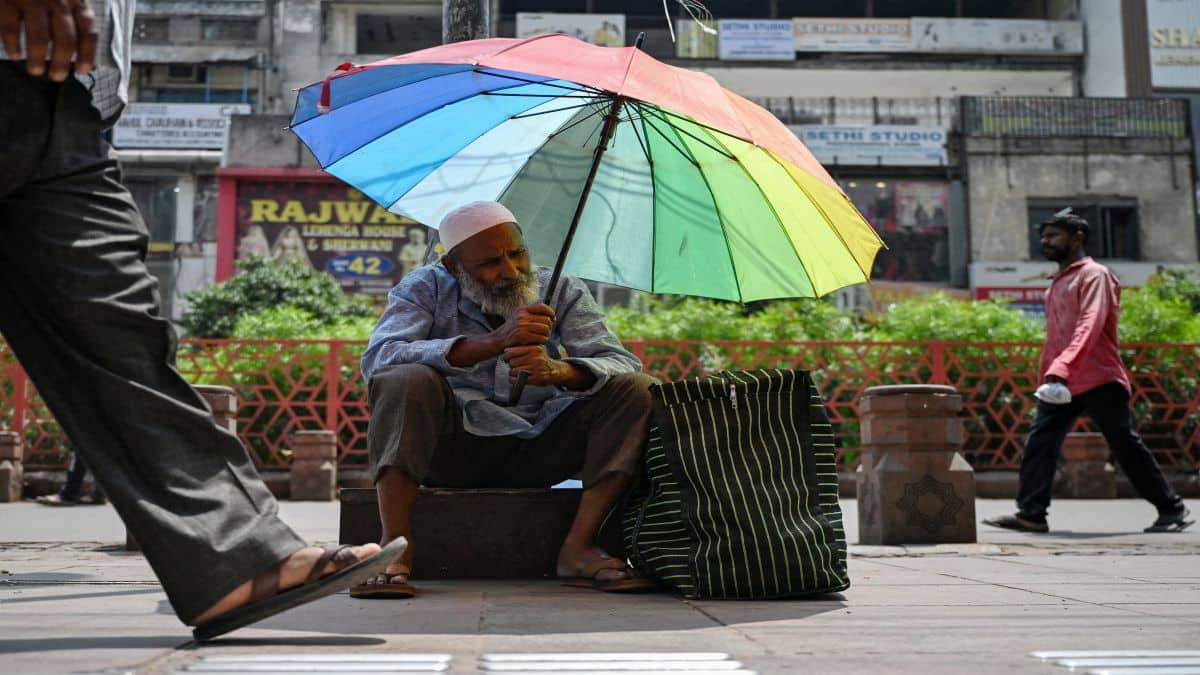








Summer's Scorching Grip
As temperatures in India soar well above 40 degrees Celsius even before the peak of summer, residents are actively seeking ways to escape the oppressive
heat. With many cities experiencing extreme heatwaves, a significant number of people are opting for the immediate relief offered by air-conditioned environments. Weather data indicates that a vast majority of the hottest cities globally are located in India during these periods, underscoring the severity of the heat. Educational institutions are adapting by adjusting vacation schedules or implementing measures like the 'water bell' to prevent dehydration and heat-related illnesses among students. The Indian Meteorological Department has issued advisories for people in affected areas to remain indoors and take preventive actions against heatstroke and other heat-related conditions. This widespread heat necessitates careful management of personal well-being.
AC: A Double-Edged Sword
In response to the unbearable heat, many Indians are turning to air conditioning as their primary source of respite, leading to a surge in power demand. While air conditioners are often lauded as essential for avoiding heat-related illnesses, their benefits extend beyond mere cooling. Properly functioning AC units actively filter the air, reducing the intake of dust, pollen, and airborne pathogens. Furthermore, by decreasing humidity, AC systems inhibit the growth of bacteria, mould, and dust mites, which can contribute to or exacerbate respiratory conditions like pneumonia, asthma, and Chronic Obstructive Pulmonary Disease (COPD). These systems also play a role in combating air pollution by trapping particulate matter 2.5, a pollutant linked to cardiovascular and lung diseases, thereby purifying the indoor air environment.
The Perils of Prolonged Cooling
Despite the comfort air conditioning provides, excessive and prolonged exposure can lead to a range of adverse health effects, often unnoticed until they significantly impact daily life. This phenomenon is sometimes referred to as 'sick building syndrome,' characterized by symptoms such as persistent headaches, dizziness, nasal congestion or a runny nose, chronic coughing or wheezing, skin irritation or rashes, difficulty concentrating, and general fatigue. These symptoms tend to intensify the longer an individual remains in an air-conditioned environment and typically recede upon leaving such spaces. This highlights the importance of managing one's time spent in artificially cooled settings.
Pathogen Breeding Grounds
A confined space with recirculating air over extended periods creates an ideal environment for the rapid spread of viruses and bacteria. Compounding this risk is the potential for air conditioning systems themselves to become breeding grounds for pathogens if they are not properly maintained. For instance, Legionella pneumophila, the bacterium responsible for Legionnaires' disease, a severe lung infection, thrives in moist environments like air conditioning units. Inhaling water droplets contaminated with these bacteria can lead to infection, underscoring the critical need for regular AC maintenance.
Dehydration and Discomfort
The dry air prevalent in air-conditioned rooms can lead to significant moisture loss from the body without individuals necessarily noticing. This lack of perceived humidity can result in people drinking less water, which in turn can trigger headaches. Furthermore, the reduced moisture content dries out the skin, causing itchiness, flaking, and exacerbating pre-existing skin conditions such as eczema and psoriasis. The respiratory system also suffers; the airways can become irritated and inflamed due to the dry air, leading to symptoms like a sore throat, coughs, and nasal congestion. Even eye health is affected, with the lack of humidity causing dryness, irritation, itchiness, and potentially blurred vision.
The Shock of Temperature Shifts
Frequent and abrupt transitions between extreme external heat and the cool interior of an air-conditioned space can induce 'temperature shock' in the body. This sudden environmental change forces the body's systems to rapidly adjust. When moving from intense heat to a cold environment, blood vessels constrict quickly, leading to fluctuations in blood pressure and placing a strain on the cardiovascular system as it recalibrates. For many, this can manifest as dizziness or fatigue. Individuals with pre-existing conditions like high blood pressure or heart ailments are particularly vulnerable, as this repeated vascular stress can worsen their health status.
Smart Cooling Strategies
Fortunately, it is not necessary to forgo air conditioning entirely during hot weather. By adopting a few simple practices, one can mitigate the negative health impacts. It is crucial to ensure that air conditioners are regularly serviced to maintain optimal filter and component function. Maintaining a comfortable indoor temperature, ideally between 24 and 26 degrees Celsius, is recommended. Staying adequately hydrated by drinking plenty of water throughout the day, even if you don't feel thirsty, is paramount. Finally, incorporating regular breaks from air-conditioned environments into your routine will help your body adjust and recover.