
The Solo Voyage
The allure of solo travel has captured the imagination of many South Indians, going beyond the traditional group tours to embrace the freedom of independent
exploration. This surge in solo journeys, especially within the context of off-beat Southeast Asia, signifies a change in travel preferences and a deep desire for personal growth. The appeal lies in crafting a customized travel experience, choosing destinations that resonate with individual interests, and navigating challenges at one's own pace. This movement underscores a proactive approach to well-being, where travel becomes a tool for self-discovery and the cultivation of inner resilience. Individuals are now seeking not just to visit new places but also to embark on a journey of self-understanding, where every step taken and every obstacle overcome contributes to a greater sense of purpose and fulfillment. It is a quest for authentic experiences away from the familiar, and it encourages introspection and personal development.
Health and Adventure
The link between travel and health is multifaceted, with solo journeys offering a unique set of benefits. Stepping away from the routine of daily life allows for a natural reset, mitigating the harmful effects of stress and promoting mental clarity. Immersing oneself in new cultures and environments provides a rich source of stimulation and perspective, which bolsters cognitive function. Engaging in physical activities like trekking, exploring new cities on foot, or participating in adventure sports are integral parts of the travel experience. These activities not only improve physical fitness but also release endorphins, which are vital for enhancing mood and reducing anxiety. These moments of activity serve as reminders of one's physical capabilities and foster a sense of accomplishment. Furthermore, solo travel requires self-reliance and decision-making skills, which can significantly enhance confidence and resilience. Confronting challenges independently helps to develop a positive attitude and a belief in one’s abilities, contributing to mental well-being.
Southeast Asia's Draw
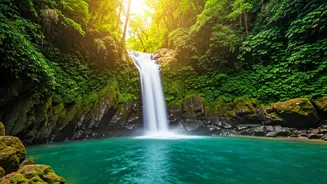
Southeast Asia, with its diverse landscapes, rich cultural heritage, and accessible infrastructure, has become a prime destination for South Indian solo travelers. Countries like Thailand, Vietnam, and Indonesia provide a blend of adventure, cultural immersion, and affordability. These regions offer many chances to be active: exploring ancient temples, trekking through lush jungles, or snorkeling in crystal-clear waters. The vibrant food scene introduces travelers to healthy, fresh cuisines, encouraging a balanced diet. The warm hospitality of the locals and the relative ease of navigation contribute to a sense of safety and comfort, allowing travelers to fully enjoy their experience. Moreover, the opportunity to disconnect from the digital world and embrace a slower pace of life fosters relaxation and mindfulness. This combination of factors makes Southeast Asia an ideal location for South Indian travelers seeking a holistic approach to wellness. The various environments allow travelers to pursue diverse activities, contributing to overall physical and mental health.
Mindful Experiences
Solo travel is an opportunity to practice mindfulness and foster a deeper connection with oneself. With no external pressures, travelers can be present in the moment and appreciate their surroundings. Activities like meditation, yoga, and simply observing the natural world help cultivate inner peace and reduce stress. This focus on the present also makes it easier to appreciate simple pleasures, such as enjoying a quiet sunrise or savoring a delicious meal. The freedom of solo travel provides space for introspection, allowing individuals to reflect on their values, goals, and experiences. Journaling, creative writing, or sketching can become powerful tools for self-expression and understanding. As travelers interact with different cultures, they also gain new perspectives and challenge their existing beliefs, fostering a greater sense of empathy and open-mindedness. It's an opportunity to embrace solitude, explore inner landscapes, and develop a greater sense of self-awareness.
Building Resilience
Navigating new environments, overcoming language barriers, and dealing with unexpected challenges are essential parts of solo travel. These experiences strengthen an individual's resilience and problem-solving skills. Whether it’s figuring out transportation, communicating with locals, or dealing with unexpected delays, each challenge presents an opportunity to learn and grow. These challenges teach travelers to adapt quickly and think on their feet, boosting their confidence in their capabilities. This journey into independence also fosters a sense of self-reliance, which contributes to a positive self-image. Furthermore, the experience of overcoming obstacles in an unfamiliar setting can improve their ability to cope with stressful situations in daily life. Solo travel empowers individuals, helping them see challenges as opportunities for growth and resilience.
Lifestyle Balance
Solo travel can be a catalyst for creating a more balanced and fulfilling lifestyle. By stepping out of their routines, individuals can reflect on their habits and make changes that improve their overall well-being. This can include prioritizing healthy eating, exercising regularly, and practicing mindfulness. The new experiences and perspectives gained during travel often prompt travelers to re-evaluate their priorities and make more conscious choices about their daily lives. The opportunity to disconnect from the pressures of work and social media allows them to recharge and refocus on what matters most. Travelers often return home with a renewed sense of purpose and a stronger commitment to their physical and mental health. This might lead them to incorporate healthier habits, prioritize their well-being, and maintain a more balanced lifestyle long after their travels end, impacting how they navigate their life.
Planning for Wellness
Preparing for a solo trip with a focus on wellness requires careful planning and consideration. Researching the destination, packing appropriately for physical activities, and familiarizing oneself with local health services are essential first steps. Creating a realistic itinerary that balances adventure with relaxation is key to avoiding burnout. It's also important to prioritize self-care activities, such as getting enough sleep, eating nutritious meals, and taking breaks to recharge. Staying connected with loved ones and sharing your experiences can provide emotional support and a sense of belonging. Travelers should also be prepared for potential health challenges by carrying necessary medications, knowing about local healthcare options, and purchasing travel insurance. Taking these steps enables travelers to have a safe and enjoyable journey while maintaining their health and well-being. These plans will also help with being prepared for any situation or any unexpected travel event.
Solo Travel Benefits
The benefits of solo travel extend far beyond simply visiting new destinations; they have a significant impact on an individual’s health. This style of travel helps reduce stress by providing opportunities for relaxation and a break from everyday routines. The physical activities inherent in travel, such as walking, hiking, and exploring, boost physical fitness. Solo experiences increase mental clarity and self-awareness through introspection and mindfulness practices. The need to navigate new environments enhances resilience and problem-solving skills, which also boosts self-esteem. Immersing oneself in new cultures broadens perspectives and fosters empathy. Furthermore, solo journeys can inspire individuals to adopt healthier habits and make positive lifestyle changes. All these facets combine to create a holistic approach to well-being, empowering individuals to live more fulfilling and balanced lives. The cumulative effect of these benefits is a healthier, more resilient, and self-aware individual.