






Fiber Showdown
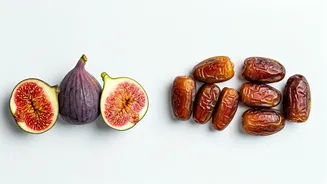
When comparing the fiber content, figs emerge as the frontrunner, offering approximately three grams per serving, which fulfills about 10% of the daily
recommended intake for adults. This significant amount of fiber is crucial for maintaining a healthy digestive system and promoting regular bowel movements. Dates also contribute a commendable amount of dietary fiber, though slightly less than figs. Both fruits leverage their fiber to potentially aid in lowering cholesterol levels, making them valuable additions for cardiovascular health. The soluble and insoluble fibers present in both figs and dates work synergistically to support gut well-being and contribute to a feeling of fullness, which can be beneficial for weight management.
Vitamin Lineup
Figs are particularly noted for their generous supply of vitamin B6, a vital nutrient instrumental in supporting brain function and optimizing metabolic processes. While they also contain trace amounts of vitamins A and K, their strength lies in B6. Dates, on the other hand, are also a good source of vitamin B6, mirroring figs in this regard, but they distinguish themselves by offering a higher concentration of vitamin K. Both fruits play a supportive role in bolstering the body's immune defenses through their collective vitamin profiles, helping to keep the immune system robust and responsive.
Mineral Marvels
Both figs and dates are powerhouses of essential minerals, with potassium being a standout in both, crucial for maintaining optimal heart health and ensuring proper muscle functionality. Digging deeper, figs boast a higher calcium content, which is a key mineral for building and maintaining strong, healthy bones. Conversely, dates offer a more substantial amount of iron compared to figs. Iron is indispensable for the body's ability to transport oxygen efficiently throughout the bloodstream, playing a critical role in preventing fatigue and supporting overall vitality.
Calorie Counts
Dates tend to be significantly more calorically dense than figs, largely due to their higher natural sugar content. A typical serving of dates can contain as many as 277 calories. In contrast, a comparable serving of figs is considerably lighter, usually around 74 calories. This distinction is vital for individuals who are meticulously monitoring their daily calorie intake or are mindful of their sugar consumption. Understanding these caloric differences allows for more informed decisions when incorporating these sweet fruits into a balanced dietary plan.