






Initial Cold Therapy
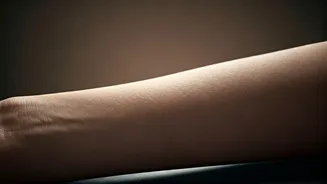
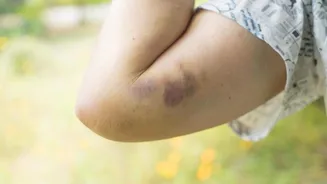
When a bruise first appears on your forearm, the immediate step for managing it involves applying cold. This helps to constrict blood vessels, thereby
limiting internal bleeding and reducing the initial swelling. For optimal results, wrap ice or a cold pack in a protective cloth and apply it to the bruised area for about 15 minutes at a time. It's recommended to continue this cold application for the first 48 hours following the injury, as this can significantly mitigate the extent of the bruising and its associated discomfort. This early intervention is key to minimizing the bruise's impact and promoting a smoother healing process.
Transition to Warmth
After the initial 48-hour period of using cold compresses, it's beneficial to switch to applying warmth. Heat therapy helps to increase blood flow to the injured site. Enhanced circulation delivers more oxygen and vital nutrients to the damaged tissues, which is crucial for the body's repair mechanisms. To implement this, use a warm, damp cloth or a heating pad set to a comfortable temperature. Apply the warmth for 10 to 15 minutes several times a day. This warming process aids in the reabsorption of pooled blood and helps to alleviate stiffness and promote overall healing.
Elevate and Rest
One of the simplest yet most effective ways to combat bruise-related swelling in the forearm is by elevating the injured limb. Keeping your arm positioned higher than your heart, especially during the initial days after the injury occurs, aids gravity in reducing fluid accumulation in the affected area. This elevation helps to decrease the pressure from blood flow towards the bruise, thereby minimizing swelling and making the discomfort more manageable. Consistent elevation, whenever possible, plays a significant role in the comfort and recovery of a bruised forearm.
Gentle Massage Technique
A subtle yet helpful technique for bruise recovery involves gently massaging the area surrounding the bruise, not directly on it. This gentle massage can aid in breaking down any accumulated clotted blood that may be trapped beneath the skin, which in turn can speed up the healing process. When performing the massage, use your fingertips to apply light pressure in small, circular motions around the periphery of the bruised spot. It is critically important to avoid any areas that are particularly tender or painful to the touch, ensuring the massage is therapeutic rather than aggravating.
Nourishment and Hydration
Beyond external applications, internal support through diet and hydration plays a vital role in healing forearm bruises. Ensuring you drink an adequate amount of water throughout the day is fundamental for all bodily functions, including tissue repair. Furthermore, incorporating foods rich in Vitamin C and Vitamin K into your meals can significantly boost recovery. Vitamin C is essential for the synthesis of collagen, a key protein for skin and connective tissue repair, while Vitamin K assists in the body's natural blood clotting processes. Leafy green vegetables like spinach and kale are excellent sources of these beneficial vitamins.