




Hidden Contamination Risks
While watermelons offer delightful hydration, they can unfortunately become a vehicle for harmful microorganisms if not handled with care. The thick rind,
though protective, can harbor bacteria picked up from soil, irrigation water, or during the journey from farm to market. These unwelcome guests, including common culprits like Salmonella, E. coli, and Listeria, can reside on the fruit's surface. It's crucial to understand that the safety of a watermelon isn't just about its appearance; it's about the entire journey from cultivation to your plate, where various points of contact can introduce potential health hazards.
Cutting and Cross-Contamination
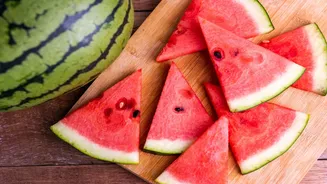
The real concern for contamination often arises when a watermelon is prepared for eating. If the rind isn't thoroughly cleaned before slicing, any bacteria present on the outer surface can easily transfer to the juicy, edible interior via the cutting knife. Once sliced, the watermelon's high water content and natural sugars create an ideal breeding ground for these unwelcome microbes. Leaving cut watermelon at room temperature for extended periods significantly amplifies this risk, allowing bacteria to multiply rapidly and potentially turn a healthy snack into a source of illness.
Health Implications of Contamination
Ingesting a contaminated watermelon can lead to serious health consequences. Pathogens like Salmonella can trigger severe dehydration, systemic infections, and even organ damage in vulnerable individuals. Consumers might experience unpleasant symptoms such as intense stomach cramps, persistent diarrhoea, nausea, vomiting, and fever. While most cases of foodborne illness resolve with prompt medical attention, in more severe instances, or for those with compromised immune systems, contaminated watermelon consumption can unfortunately become life-threatening without timely and appropriate treatment.
Ensuring Safe Consumption
To enjoy watermelon's benefits safely, prioritize food hygiene. Always wash fruits thoroughly before cutting, and consider rinsing with a baking soda solution for an extra layer of cleanliness. Ensure your knives are clean and free from rust, as any utensil used for slicing should be impeccably sanitized. While watermelons are fantastic for hydration and regulating body temperature, these basic precautions are vital. By being mindful of food safety, ripeness, and proper preparation, you can confidently savor this refreshing summer staple without compromising your health.