


Creating the Ideal Climate
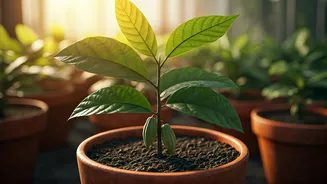
To successfully nurture cacao trees in a non-tropical setting, replicating their native warm and humid conditions is paramount. These plants flourish in temperatures
consistently ranging from 20 to 30 degrees Celsius. If your local climate falls short of this warmth, employing a greenhouse or strategically positioning the plants near a reliable heat source becomes crucial. Equally important is maintaining a high level of humidity, aiming for approximately 70% to closely mimic the moist atmosphere they experience in their natural rainforest environment. This balance of warmth and moisture is the cornerstone of healthy cacao development, preventing stress and promoting robust growth, ultimately paving the way for potential future bean production.
Soil and Container Choices
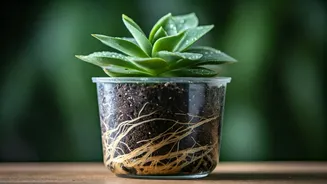
The foundation for a thriving cacao plant lies in its potting mix and container. Opt for a well-draining soil blend that is generously enriched with organic matter. An effective combination often includes peat moss for moisture retention and aeration, perlite to improve drainage and prevent compaction, and compost to supply vital nutrients. When selecting a pot, ensure it has adequate depth, at least 12 inches, to accommodate the root system's development. Crucially, the pot must feature ample drainage holes to prevent waterlogged soil, a common cause of root rot. As your cacao tree matures, anticipate the need for repotting every couple of years to provide it with fresh soil and more space.
Watering and Feeding Rhythms
Maintaining the right moisture level is key for cacao trees; they prefer consistently damp soil but are highly susceptible to overwatering. A good rule of thumb is to water them regularly, allowing the top inch of the soil to dry out before the next watering. This prevents the roots from sitting in stagnant water. To fuel their growth and development, fertilize your cacao plant approximately every four weeks. Use a balanced liquid fertilizer, but importantly, dilute it to half its recommended strength. This ensures the plant receives essential nutrients without the risk of over-fertilization, which can damage its delicate root system and hinder overall health.
Pruning and Pest Defense
Strategic pruning plays a vital role in shaping your cacao tree and encouraging vigorous, healthy growth. Regularly inspect the plant for any branches that are dead, damaged, or overcrowding others, and trim them back judiciously. Keep a watchful eye for common garden pests, such as aphids, which can cluster on new growth, or spider mites, which thrive in dry conditions. Fortunately, these can be managed effectively using natural remedies. Applying insecticidal soap or neem oil provides a potent yet eco-friendly solution to control these unwelcome visitors, safeguarding your cacao plant without harming beneficial insects that contribute to a balanced ecosystem.