



Basil: Kitchen Staple
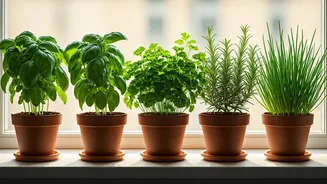
Basil, a beloved culinary herb, thrives indoors with consistent warmth and ample sunlight, making it an ideal choice for novice gardeners. You can propagate
it from either seeds or cuttings, ensuring it's planted in soil that drains well. Regular watering and trimming are key to maintaining its health and encouraging lush new growth. Its vibrant taste complements dishes featuring tomatoes beautifully and serves as an excellent garnish for salads and other meals. This herb's aromatic leaves add a burst of freshness, making it a go-to for a variety of savory and even some sweet preparations, embodying its status as a versatile kitchen favorite.
Mint: Spreading Freshness
Mint is remarkably adaptable to indoor environments, provided it receives sufficient light. Be mindful of its vigorous growth habit; planting it in a separate container is highly recommended to prevent it from overtaking other plants. While it appreciates consistent moisture, avoid waterlogged conditions to keep its roots healthy. The invigorating flavor of mint makes it a superb addition to refreshing teas, delightful desserts, and creative beverages, offering a cool sensation that revitalizes drinks and dishes alike. Its ease of care and abundant scent make it a rewarding plant for any home.
Parsley: Nutrient Powerhouse
Parsley stands out for its rich content of vitamins A and C, contributing significant nutritional value to your meals. It prefers indirect sunlight and requires regular hydration, though it's crucial to avoid overwatering to prevent root rot. Starting parsley from seeds or small seedlings can take a bit more time for germination compared to other herbs, but the wait is worthwhile for its deep, satisfying flavor. It's a versatile herb that enhances soups, salads, and acts as a delightful garnish, adding both taste and visual appeal to your culinary creations. Its resilient nature and health benefits make it a practical choice for home cultivation.
Chives: Subtle Onion Kick
Chives offer a gentle, onion-like flavor that enhances dishes without being overpowering. They perform best in well-draining soil and require plenty of sunlight, though they can tolerate partial shade. The maintenance for chives is minimal; consistent watering is needed, ensuring the soil doesn't completely dry out between sessions. These delicate green shoots are perfect for sprinkling over baked potatoes, incorporating into creamy spreads like cream cheese, or adding a fresh zest to various savory recipes, making them an easy and flavorful addition to your herb garden.
Rosemary: Aromatic Evergreen
Rosemary is an aromatic evergreen herb known for its potent scent, which pairs exceptionally well with roasted vegetables and freshly baked breads. It absolutely needs bright light, so positioning it near a sun-drenched window is paramount for its growth. Unlike many other herbs, rosemary prefers conditions that are on the drier side; allow the top layer of soil to dry out before watering it again. Regular pruning is essential to maintain its bushy form and to prevent the stems from becoming too woody, ensuring a steady supply of its fragrant leaves for your cooking needs.