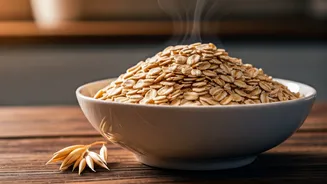







Oat Diet's Swift Impact
New research from the University of Bonn illuminates the remarkable speed at which oats can benefit our health. Findings published in Nature Communications
reveal that a structured dietary regimen incorporating approximately 300 grams of oatmeal daily, supplemented with small servings of fruits or vegetables, can lead to a notable decrease in LDL cholesterol levels. Astonishingly, these positive effects, including improved metabolic health, were observed to persist for several weeks in individuals who are at risk due to metabolic conditions. This study adds a significant piece to the growing body of evidence suggesting that our dietary choices have a rapid and tangible influence on key health indicators. While the results are promising, experts emphasize that these short-term interventions are most effective when integrated into a consistent, long-term approach to healthy living, rather than being viewed as standalone solutions for managing cholesterol or preventing heart disease.
Cholesterol Reduction Explained
The remarkable cholesterol-lowering properties of oats are largely attributed to their rich content of soluble fiber, specifically beta-glucan. This dietary component plays a crucial role in binding with cholesterol in the digestive tract, preventing its absorption into the bloodstream and thereby reducing levels of LDL, often referred to as 'bad' cholesterol. Dr. Sanjeeva Kumar Gupta from CK Birla Hospital highlights that while even brief dietary changes involving oats can yield early positive results, sustained heart protection fundamentally relies on consistent dietary habits over time. The study observed individuals with metabolic syndrome adhering to a strict two-day oat-centric plan, which resulted in an impressive nearly 10% reduction in their LDL cholesterol levels, underscoring the potent impact of this grain when consumed in adequate amounts.
Gut Microbiome Boost
Beyond its direct impact on cholesterol, oat consumption profoundly influences the gut microbiome. Researchers noted a significant shift in the composition of gut bacteria among participants, characterized by an increase in beneficial strains that are strongly linked to improved metabolic function. These beneficial microbes are capable of producing valuable compounds, such as ferulic acid, which has been associated with enhanced cholesterol regulation and overall better metabolic health. Concurrently, the study also observed a reduction in markers indicative of insulin resistance, signaling a more efficient and responsive metabolic system in individuals consuming oats. This dual action – improving cholesterol directly and fostering a healthier gut environment – highlights oats' comprehensive role in metabolic well-being.
Short Intervention Success
An intriguing finding from the study is the comparison between different oat consumption patterns. Participants who followed a concentrated two-day, high-intensity oat diet demonstrated more significant improvements in metabolic markers than those who consumed a lower quantity of oats (around 80 grams daily) over a longer period of six weeks. This suggests that under controlled conditions, a structured short-term dietary intervention with oats can potentially trigger more rapid metabolic responses. While this doesn't negate the value of long-term healthy eating, it highlights the potent, immediate effect that a focused approach with oats can have. This offers a compelling insight into how dietary strategies can be optimized for quick, positive health outcomes when carefully planned.
Daily Nutrition with Oats
Nutritionists and health experts often recommend integrating oats into a balanced diet rather than resorting to restrictive eating plans. A single cup of oats typically provides approximately 4 to 6 grams of dietary fiber, a crucial nutrient for both heart and digestive health. Regularly including oats as part of a varied diet, alongside an abundance of fruits, vegetables, and other whole grains, is an effective way to meet the recommended daily fiber intake of 25 to 35 grams. The study reinforces the straightforward message that our food choices can indeed influence key health metrics like cholesterol levels in a relatively short timeframe. However, it's essential to remember that while oats offer measurable advantages, achieving long-term heart health is a holistic endeavor that necessitates consistent, nutritious eating, regular health monitoring, and personalized medical advice.