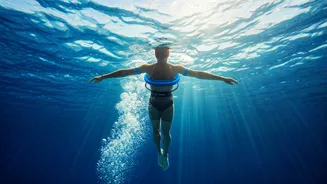







Gentle on Joints
Aqua jogging presents a remarkable advantage: it's incredibly kind to your joints. The buoyancy of water dramatically reduces the stress placed on your body,
making it a perfect exercise for individuals of all fitness levels, including those recovering from injuries or dealing with joint pain. The water supports your weight, minimizing the impact associated with running or other high-impact activities. This allows you to maintain a high level of activity without risking further damage or discomfort. This low-impact nature makes it accessible to a wider audience, including older adults and those with mobility limitations. Aqua jogging is not just a workout; it's a therapeutic approach to fitness. The gentle movements in the water improve cardiovascular health without stressing the musculoskeletal system. It is a fantastic option for incorporating exercise into your routine while safeguarding your body.
Metabolism Boost
Comparing aqua jogging with speed skating reveals interesting insights into their impact on metabolism. Speed skating, being a high-intensity activity, might seem to have an upper hand in burning calories and boosting metabolism. However, aqua jogging also contributes significantly. While speed skating likely burns more calories per session due to its vigorous nature, aqua jogging, when performed with consistent effort, can also effectively elevate your metabolism. The water's resistance requires your body to work harder to move, thereby increasing caloric expenditure. The advantage of aqua jogging lies in its ability to be sustained for longer durations, allowing for a greater overall caloric burn over time. It promotes a more sustained metabolic rate than brief, high-intensity bouts. Both activities, therefore, hold value, and the choice depends on personal preferences, fitness goals, and physical capabilities. Aqua jogging provides a metabolic boost, making it a viable option for those aiming to enhance their metabolism and manage their weight.
Fitness Level Suitability
One of the standout features of aqua jogging is its inclusivity regarding fitness levels. It is highly adaptable, making it suitable for beginners, seasoned athletes, and everyone in between. Beginners can start with shorter durations and lower intensity, gradually increasing as their fitness improves. The water provides natural resistance, which can be easily adjusted by altering the speed or range of motion. For athletes, aqua jogging offers a valuable cross-training option. It lets them maintain their cardiovascular fitness while allowing their joints to recover from high-impact training. It can be used as part of injury rehabilitation, as the reduced impact enables a return to activity without exacerbating the injury. For those with limitations such as age, weight, or pre-existing health conditions, aqua jogging offers a safe and effective way to exercise. The aquatic environment reduces the risk of falls and provides a supportive medium for movement. Thus, aqua jogging stands out for its broad suitability, accommodating a wide range of fitness needs and abilities.
Caloric Burn Comparison
Comparing caloric burn between aqua jogging and other exercises reveals intriguing aspects of its efficiency. Calorie expenditure varies based on the intensity and duration of the exercise. High-intensity activities like speed skating naturally burn more calories per session. However, aqua jogging offers a distinct advantage because it can be performed for longer durations due to its low-impact nature, leading to substantial overall caloric expenditure over time. When comparing the caloric burn, it is essential to consider the individual's weight, the intensity of the workout, and the time spent. For example, a 150-pound individual might burn approximately 200–400 calories in a 30-minute aqua jogging session, depending on the effort exerted. The caloric burn can be boosted by using aqua jogging equipment like water weights or resistance bands. The key takeaway is that aqua jogging provides a practical way to burn calories effectively, offering an exercise solution suitable for various fitness goals, and it can be a valuable part of any weight management strategy.
Speed Skating Impact
Speed skating, in stark contrast to aqua jogging, represents a high-intensity, high-impact activity. It demands explosive movements and places considerable stress on the joints and muscles. The nature of speed skating involves quick starts, sharp turns, and powerful strides, leading to a high rate of caloric burn. These high-intensity elements provide a substantial cardiovascular workout and significantly elevate the metabolic rate. Speed skating's high-impact nature, while highly effective for fitness, may not be suitable for everyone. It is more accessible to individuals with a higher fitness level, and it may pose challenges for people with joint problems. The risk of injuries, such as sprains and strains, is more pronounced in speed skating compared to the reduced-impact environment of aqua jogging. Although it provides excellent cardiovascular benefits and muscle development, speed skating is not the ideal exercise option for those seeking low-impact or easily accessible workouts. Its impact, intensity, and associated risks make it a different kind of exercise from aqua jogging.