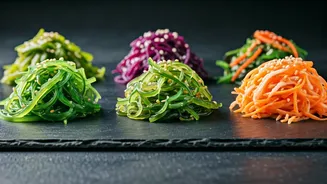






Wakame's Powerhouse Nutrition
Wakame, a staple in Japanese kitchens, shines as a nutrient-dense choice for salads. It's a rich source of vital minerals like iodine and magnesium, alongside
essential vitamins such as A, C, and K. Its subtle sweetness makes it a versatile salad base, complementing other ingredients beautifully. Beyond its flavor, wakame contains fucoxanthin, a compound researched for its potential role in boosting metabolism. Incorporating wakame into your diet can contribute significantly to maintaining strong bones and ensuring optimal thyroid function, making it a truly beneficial addition to your meals.
Nori's Antioxidant Richness
Nori, another familiar seaweed, is celebrated for its impressive antioxidant profile. This variety is a good source of B12, vitamin C, iron, and protein, contributing to overall well-being. Its mild taste allows it to blend harmoniously with ingredients like crisp cucumbers or creamy avocados, creating balanced flavor combinations. Regular consumption of nori salad can be instrumental in fortifying your immune defenses and providing cellular protection against the damaging effects of oxidative stress, thus supporting a healthier body from within.
Dulse's High Protein Content
Dulse, a striking red seaweed, stands out for its remarkable protein concentration, which can account for up to 25% of its dry weight. It also delivers a valuable array of minerals, including potassium and iodine. With its natural saltiness, dulse pairs wonderfully with a variety of dressings or can be enjoyed as a standalone snack. Adding dulse to your meals is an effective way to increase your protein intake while benefiting from its other essential nutrients, supporting muscle health and satiety.
Kombu's Fiber Benefits
Kombu, a thick kelp known for its deep umami flavor, is a cornerstone in many Asian culinary traditions and offers significant digestive advantages. It is particularly rich in dietary fiber, which is crucial for promoting a healthy digestive system through regular bowel movements and fostering a balanced gut microbiome. Furthermore, kombu contains specific alginate fibers that have been shown to aid in managing cholesterol levels by binding to bile acids in the digestive tract, thereby limiting their reabsorption into the bloodstream.
Hijiki for Heart Health
Hijiki, a dark brown seaweed variety, is a treasure trove of dietary fiber and essential nutrients like calcium, iron, and magnesium. Its deep hue is indicative of its substantial antioxidant content, which plays a protective role for heart cells by neutralizing harmful free radicals. Additionally, hijiki is a source of omega-3 fatty acids, recognized for their cardiovascular benefits, including the reduction of inflammation and contributing to lower blood pressure, thus promoting a healthier heart.