





Fontainhas's Charm Under Siege
The picturesque neighborhood of Fontainhas in Panjim, Goa, celebrated for its vibrantly colored heritage houses and old-world allure, recently became the
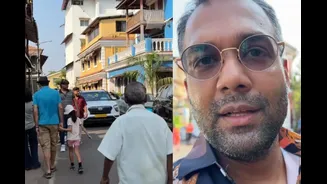
epicenter of an online uproar. This incident brought to the forefront the often-unseen friction between the influx of tourists seeking shareable moments and the local inhabitants who call these historic areas home. The crux of the issue was captured and amplified by a social media creator, igniting a crucial conversation about the boundaries of public spaces and the etiquette expected of visitors in culturally sensitive locales. The idyllic setting, usually a draw for its unique architectural beauty and tranquil atmosphere, found itself grappling with the negative consequences of unchecked tourist activity, prompting a re-evaluation of how to balance tourism's economic benefits with the preservation of community life and private residences.
The Viral Outcry
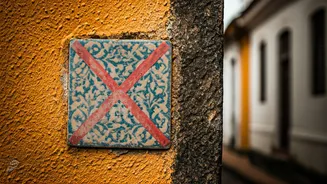
The catalyst for this widespread discussion was a video shared by Instagram creator Ankit Vengurlekar, who documented the disruptive behavior of tourists in Fontainhas. His footage vividly showcased individuals crowding in front of a private heritage home, an act made more egregious by the presence of clear signage explicitly prohibiting photography against the property's backdrop. The signs, stating, 'No photography allowed with the backdrop of the house. You are under surveillance,' were evidently ignored by many. Vengurlekar's accompanying commentary did not hold back, expressing his frustration with tourists treating private residences as mere props for social media content. He articulated the locals' exasperation, describing how visitors disregard boundaries by climbing on walls, moving personal belongings like planters, and generally causing disturbances at all hours, thereby infringing upon the peace and property rights of the residents.
A Digital Divide
The viral video swiftly ignited a polarized debate across social media platforms, revealing a spectrum of opinions on the matter. A significant portion of the online discourse centered on the inherent difficulty of enforcing photography bans in what are perceived as public thoroughfares, with some users pointing out the paradoxical act of filming a video about not taking photos. Conversely, others highlighted the economic interdependence, noting that many of the residents whose homes are being intruded upon also operate businesses, such as cafes and shops, within the same streets, directly benefiting from the very tourist traffic they sometimes resent. This led to pointed remarks questioning the consistency of residents' complaints, suggesting a hypocrisy in welcoming tourist business while being annoyed by tourist presence. Another perspective raised concerns about fairness, drawing a parallel to professional film shoots where residents are compensated, implying that common individuals seeking personal photographs are unfairly labeled as disrespectful or lacking in consideration.
Balancing Act Needed
The underlying issue transcends mere photography; it touches upon broader themes of respect for local cultures, the impact of tourism on community life, and the imperative for mutual understanding. The incident in Fontainhas serves as a microcosm of a global challenge faced by many historic and popular destinations. While tourism can be a vital economic engine, its unchecked progression can lead to the erosion of local identity and residents' quality of life. The debate underscores the need for a more mindful approach to travel, encouraging visitors to be conscious of their surroundings and the impact of their actions. It also calls for a more nuanced conversation among local authorities and communities about managing tourism flows and establishing clear guidelines that protect both heritage sites and the privacy of their inhabitants, ensuring that the charm of places like Goa is preserved for future generations without compromising the well-being of those who live there.