



The Sweet Deception
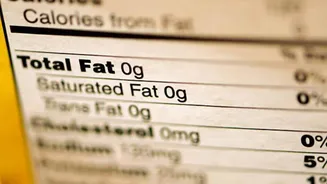
Many consumers reach for fat-free products believing they are making a healthier choice, a perception often influenced by marketing. However, the process
of removing fat from foods can significantly impact their taste and texture. To compensate for this loss of flavour and mouthfeel, manufacturers frequently introduce added sugars. This is particularly prevalent in items like fat-free yogurts, which might contain considerably more sugar than their full-fat counterparts. The deceptive nature lies in the fact that while fat is reduced, the caloric and health implications can be exacerbated by a surge in sugar content. Therefore, a diligent examination of nutrition labels becomes paramount, with a keen eye on the total sugar grams to ascertain the true health profile of a supposedly 'healthier' option and avoid unintended calorie intake from sweeteners.
Nutrient Scarcity
Beyond the taste and sugar swap, eliminating fat from foods, especially dairy, often results in the removal of beneficial fat-soluble vitamins. Crucial nutrients like Vitamin A and Vitamin D are naturally present in the fat component of full-fat products. When this fat is extracted, these essential vitamins may also be lost unless the product is subsequently fortified. This means that a fat-free alternative, despite its label, might offer a less complete nutritional package compared to its full-fat version. Relying solely on 'fat-free' claims without considering the potential depletion of these vital micronutrients can lead to dietary gaps, undermining the very health benefits one seeks by choosing such products. It underscores the importance of understanding what is gained and lost in the food manufacturing process.
Portion Distortion
The marketing of fat-free foods often extends to the presentation of serving sizes, creating a potentially misleading perception of lower calorie consumption. Manufacturers may offer larger portion sizes for fat-free items compared to their full-fat equivalents. This can lead consumers to believe they are consuming fewer calories because the serving appears more substantial, or because the 'fat-free' designation overrides concerns about quantity. In reality, the cumulative effect of consuming these larger portions can result in a higher total calorie intake than if a smaller portion of a full-fat product had been chosen. Vigilance regarding recommended serving sizes, regardless of the fat content, is essential to manage calorie intake effectively and prevent overconsumption, ensuring that the 'fat-free' claim doesn't inadvertently encourage eating more.
The Price of Fat-Free
Consumers often encounter a noticeable price difference between fat-free and full-fat food options, with the former generally being more expensive. This premium is largely attributable to the intricate processing required to remove fat and the subsequent addition of ingredients like stabilizers or sweeteners to maintain palatability and texture. Over time, regularly purchasing these processed fat-free alternatives can lead to a significant increase in grocery expenses without necessarily yielding superior health benefits. This economic factor prompts a consideration of whether the perceived health advantages justify the higher cost, encouraging a balanced approach that weighs both nutritional value and financial implications when making purchasing decisions.