





Let's Talk Nutrition
First, let's tackle the biggest myth: that canned vegetables are nutritionally empty. The truth is, the canning process is surprisingly good at preserving nutrients. Vegetables are picked and processed at their peak freshness, locking in vitamins and minerals. While some water-soluble vitamins like C and B can be reduced by the heating process, the same happens when you boil or steam fresh vegetables at home. In fact, the canning process can make some nutrients, like the vitamin A in pumpkin or the antioxidant lycopene in tomatoes, more available for your body to use. The main watch-out is sodium, which is often added for preservation. The fix is simple: look for 'no salt added' or 'low sodium' labels, or simply give your canned veggies a good rinse
before using them to wash away excess salt.
The Unbeatable Convenience
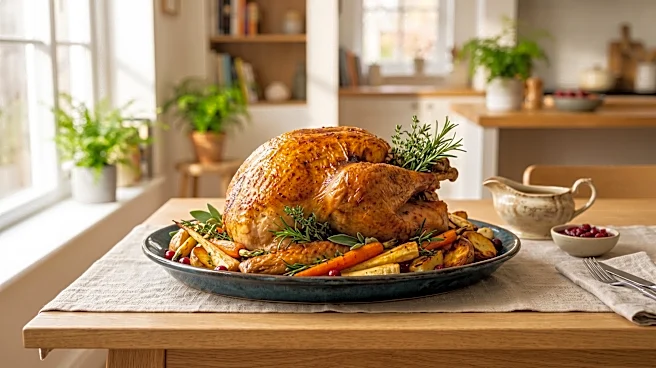
Thanksgiving is a culinary marathon. The turkey needs basting, the potatoes need mashing, and the pies need… well, everything. This is where the humble can shines. The vegetables are already washed, peeled, chopped, and cooked. This saves an enormous amount of prep time on a day when every minute and every inch of counter space counts. Instead of wrestling with a whole pumpkin, you can pop open a can. Instead of trimming bushels of green beans, you can simply drain them. This convenience isn't laziness; it's strategy. It frees you up to focus on the main event or, even better, to actually spend time with your family instead of being tethered to the kitchen.
The Canned All-Stars of Thanksgiving
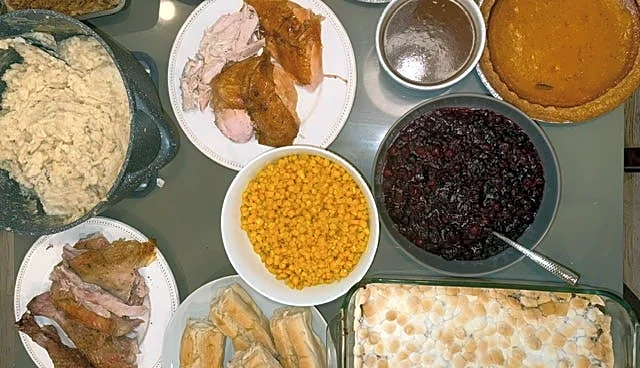
Not all canned vegetables are created equal, but a few are genuine superstars on the Thanksgiving table. Canned pumpkin puree is the undisputed champion; many bakers agree it produces a pie with a silkier texture and more concentrated pumpkin flavor than fresh. That's because the 'pumpkin' in the can is often a blend of sweet, flavorful squash varieties specifically chosen for their smooth consistency. Canned corn, whether whole kernel or creamed, is the backbone of countless beloved casseroles and side dishes, retaining its sweetness and texture remarkably well. And of course, there's the iconic green bean casserole, a dish eaten by millions every year that proudly starts with canned green beans.
How to Make Them Shine
The biggest mistake people make with canned vegetables is simply heating them in the can's liquid. That liquid is mostly just salty water, and it does no favors for flavor or texture. The secret is to treat them as a pre-cooked ingredient ready for a flavor boost. First, drain and rinse them well. Then, give them a quick sauté in a hot pan with a good fat like butter, olive oil, or even bacon grease to improve their texture and add richness. From there, the possibilities are endless. Add aromatics like sautéed garlic and onion. Brighten them up with a squeeze of fresh lemon juice or a splash of vinegar. Toss them with fresh herbs like parsley or dill right before serving. A handful of toasted nuts, crispy bacon bits, or grated Parmesan cheese can add both flavor and a much-needed crunch.