

The Anchor: Ground Your Table in Meaning
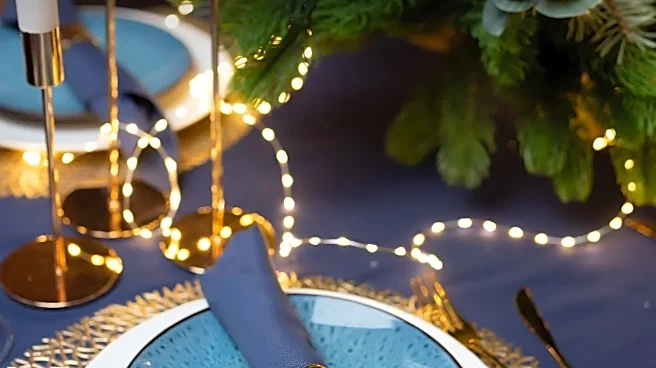
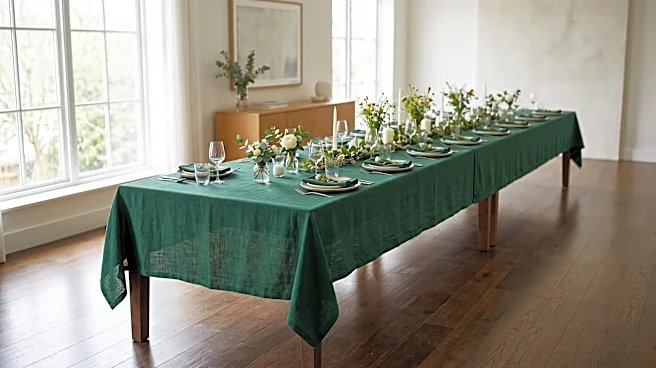
Every great tablescape needs a foundation, and nothing does the job better than a piece with history. This is your heirloom table runner, your grandmother’s china, or that set of vintage glasses you found and loved. This 'anchor' piece provides more than just decoration; it tells a story and brings a sense of continuity to the gathering. If you don't have a family hand-me-down, this is your permission to choose an investment piece you'll love for years—a well-made linen runner, a set of quality wooden chargers, or classic brass candlesticks can become your own 'heirloom' in the making. The goal is to start with an item that has substance and sentimental value, creating a solid, meaningful base that you can build upon year after year. It’s the visual
and emotional centerpiece of your table before any food even arrives.
The Update: How Napkins Change Everything
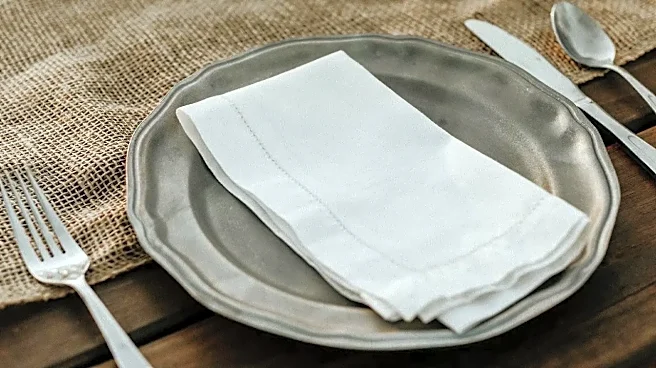
Here's where the magic happens. With your heirloom piece grounding the table, the easiest and most effective way to change the entire mood is with new napkins. It’s a low-cost, high-impact swap that can introduce a new color palette or texture. This year, earthy tones like olive green, terracotta, and deep burgundy are trending, offering a sophisticated alternative to bright orange. You can find beautiful, affordable cloth napkins that make the whole table feel more luxurious. Even high-quality paper napkins in a stylish pattern can feel intentional and festive, with the added bonus of easy cleanup. Fold them simply and tie them with a piece of twine and a sprig of rosemary for a detail that feels special and smells wonderful. This single change prevents your traditional table from feeling static, allowing you to play with trends without committing to expensive new dinnerware.
The Supporting Cast: Plates, Glassware, and Flatware
You don't need to buy new dishes for a fresh look. In fact, mixing old and new is what gives a table personality. Your everyday white plates are the perfect neutral canvas, allowing the runner and napkins to shine. If you have heirloom china, don't be afraid to use just one piece from the set, like the salad plates, and pair them with your modern dinner plates. The same goes for glassware; mixing a vintage set of water goblets with your regular wine glasses adds character. Sticking to one style of flatware, whether it's your daily set or fancy gold cutlery, helps unify the mismatched elements and keep the look cohesive rather than chaotic. The key is to layer, creating depth and interest without overwhelming the eye.
The Finishing Touches: Small Details, Big Impact
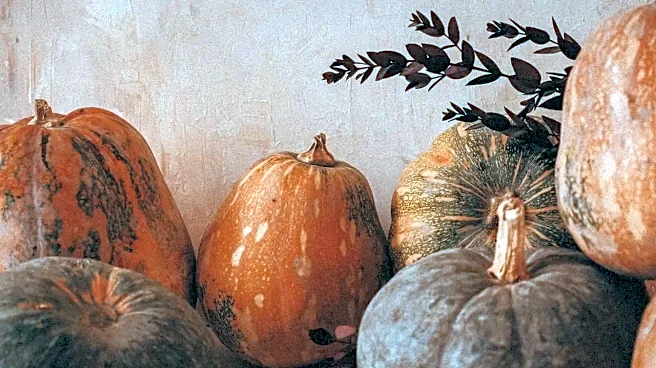
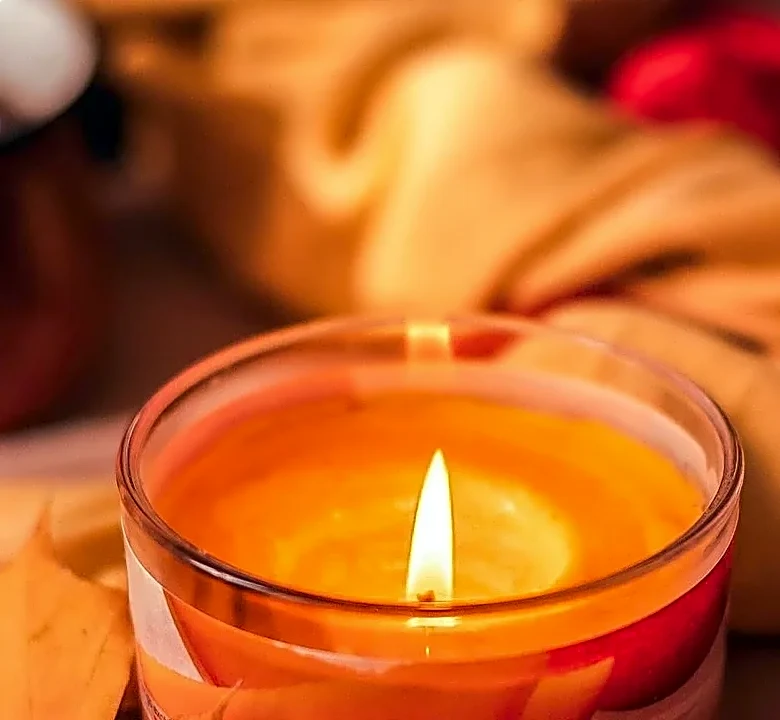
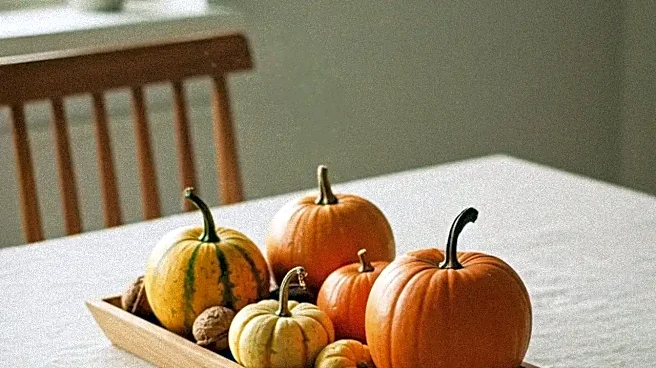
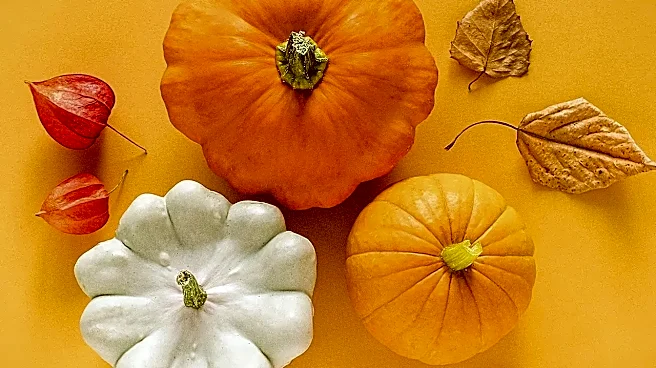
With the main elements in place, it’s time for the small details that make a table feel complete. Restraint is key for 2026 trends; focus on a few high-quality accents rather than clutter. One of the most effective tools is candlelight. Mix different heights and styles—tapers, pillars, and votives—to create a warm, intimate atmosphere. Instead of a large, view-blocking floral arrangement, scatter natural elements like mini pumpkins, gourds, pinecones, or fresh pears down the center of the table. These items add seasonal color and texture for very little cost. Foraged branches and dried leaves can also create a beautiful, organic centerpiece for free. A handwritten place card at each setting is a final, personal touch that makes every guest feel special.
Tying It All Together with a Cohesive Palette
Mixing vintage and modern pieces only works if the final look feels intentional. The best way to achieve this is by sticking to a defined color scheme. Choose two or three main colors and repeat them across the table. For example, if your napkins are a deep olive green, you could echo that color with a few green apples in your centerpiece or by using vintage green water glasses. Repeating a metallic finish, like gold in both your flatware and candlesticks, also creates a strong sense of cohesion. This rule allows you to combine patterns and eras—like plaid napkins with floral china—because the shared color palette makes it clear that they belong together. Your table will look layered and personal, not random.