






First, What Is a Real Yam?
Before we get to your Thanksgiving plate, let's talk about what a true yam is. Botanically, yams belong to the Dioscorea family and are native to Africa and Asia. They are starchy, dry tubers with rough, dark brown skin that can look like tree bark. The flesh inside is typically white, yellow, or even purple, not the vibrant orange Americans associate with the name. Real yams are not even distantly related to sweet potatoes and are closer to lilies and grasses. They can also grow to be enormous, sometimes reaching several feet in length. You are unlikely to find a true yam in a typical U.S. supermarket; they are usually sold in international or specialty markets.
So, What Am I Eating?
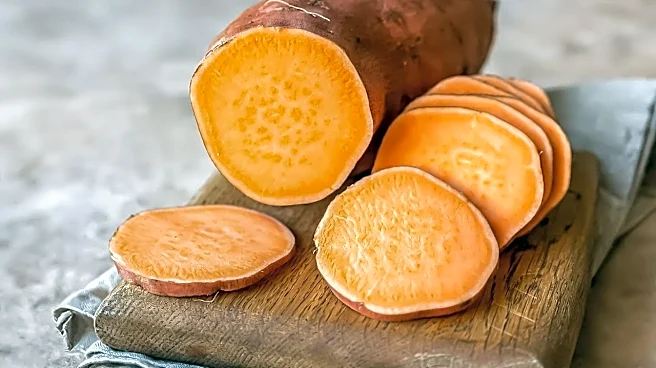
That iconic Thanksgiving 'yam' is, in fact, a sweet potato. Specifically, it's a particular
variety of sweet potato. Sweet potatoes (Ipomoea batatas) belong to the morning glory family and originated in Central and South America. They come in two main types in the U.S.: firm and soft. The firm variety, which was cultivated first, has a lighter, golden skin and a paler, crumbly flesh. The soft variety, which came later, has the familiar copper-colored skin and a deep orange, moist flesh that sweetens when cooked. This is the one that gets called a yam. Think of varieties like Jewel, Garnet, and Beauregard—these are all soft-fleshed sweet potatoes.
A Mix-Up Rooted in History
The confusion dates back centuries and is deeply tied to American history. Enslaved people from West Africa, where yams were a fundamental part of their diet, were brought to the Americas. The African word for yam, often 'nyami' or a similar term, simply meant 'to eat'. Upon arriving in the American South, they found the soft, orange-fleshed sweet potatoes and noted their resemblance to the yams they knew from home. They began calling these sweet potatoes by the familiar name, and the term entered the regional vocabulary.
How Marketing Sealed the Deal
The historical nickname was solidified by a 20th-century marketing push. In the 1930s, Louisiana farmers began commercially growing the newer, orange-fleshed sweet potatoes and wanted to distinguish them from the paler, firmer varieties already on the market. To signal that this new version was different—softer, sweeter, and more moist—they branded them as 'yams'. The name stuck. To this day, the U.S. Department of Agriculture permits the use of the term 'yam' on packaging as long as it is accompanied by the term 'sweet potato'. So, that can of 'yams' you buy is legally required to tell you it's really a sweet potato.