



The Myth of the Flawless Set
We’ve all seen it in magazines: the impossibly long table where every single element is part of a matching set. This vision of holiday perfection is appealing, but it’s also incredibly fragile. The 'matching-everything' approach works for a small, controlled dinner party. But Thanksgiving is rarely that. It’s a boisterous, sprawling affair where extra cousins show up, a friend brings a new partner, and suddenly you need to pull out every chair you own. The pressure to maintain a perfectly uniform look is not only stressful but can also feel a bit impersonal, like a staged room no one is allowed to touch. When your gathering grows, clinging to this ideal is a recipe for anxiety. The good news? The breakdown of this approach is actually a liberation.
It’s your chance to embrace a style that’s warmer, more personal, and far more practical for a full house.
Shift Your Goal from Matching to Cohesive
The secret to a beautiful, large-scale table isn't about every piece being identical; it's about making every piece feel related. This is the art of cohesion. Instead of a set of 18 matching plates, think about a 'collection'. This mindset shift allows you to blend what you have—your everyday dishes, inherited china, and even a few new pieces—into a harmonious whole. A cohesive look is achieved through repetition of key elements, not by cloning every item. This approach tells a story, reflecting a home that feels gathered and loved over time, rather than purchased in a single shopping trip. When you let go of matching, you open the door to a more interesting and authentic visual narrative.
Find a Unifying Thread
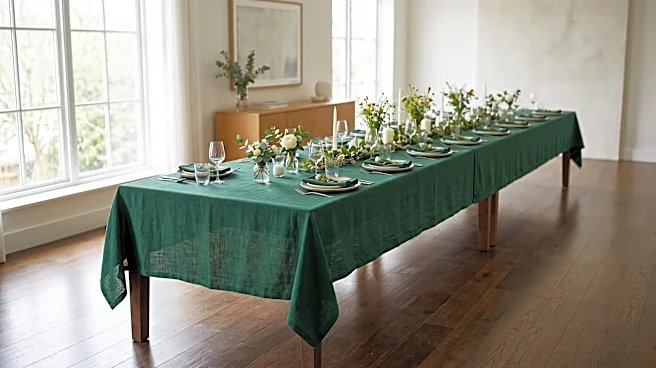
To prevent your eclectic table from looking chaotic, you need a unifying thread. The easiest way to do this is with color. Choose a simple, harmonious color palette—perhaps warm neutrals and gold, or earthy greens and browns—and make sure every place setting includes at least one of those colors. This allows you to mix a patterned salad plate with a solid dinner plate, as long as they share a color family. Another powerful unifier is texture. A simple linen or burlap table runner laid down the center of one long table (or several tables pushed together) instantly creates a shared foundation. Repeating elements like brass candlesticks, a certain type of greenery, or amber-colored glassware along the length of the table also ties everything together, making the mismatched elements feel intentional and curated.
The Art of the Mismatched Table
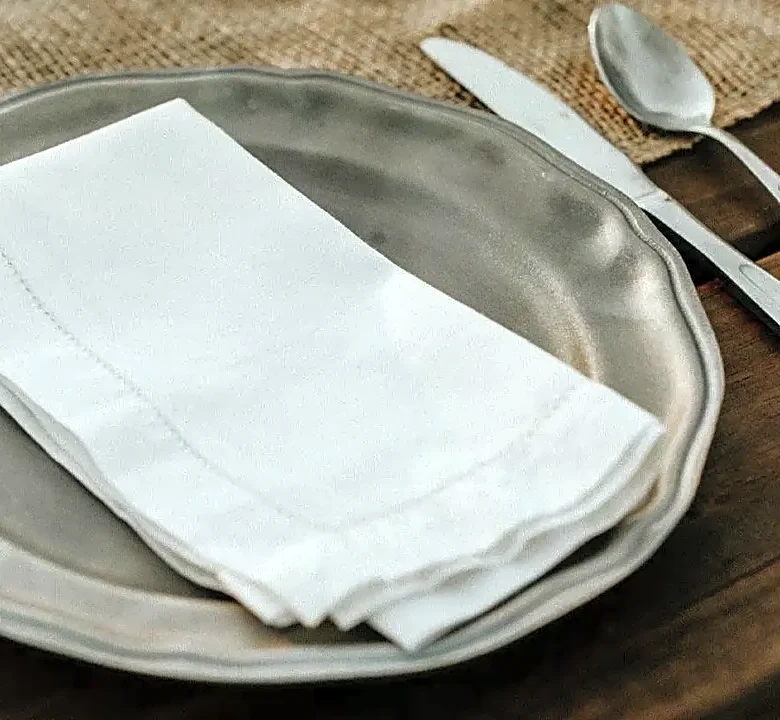
Once you have your unifying thread, you can start layering. Don’t be afraid to mix materials like porcelain, ceramic, and wood. Place your grandmother's floral china on a modern, minimalist charger. Pair sleek, contemporary flatware with vintage water goblets. The key is to maintain a similar scale; while shapes can vary, try to use dinner plates and salad plates that are roughly the same size to avoid a lopsided look. For napkins, mixing patterns can be incredibly effective. A large plaid runner, for example, can work beautifully with smaller-print floral napkins if they exist in the same color world. If you’re short on chairs, embrace the mismatch. A collection of dining chairs, office chairs, and even a piano bench gathered around the table says 'we made room for everyone', which is the truest expression of holiday spirit.
Extend Cohesion Beyond the Table
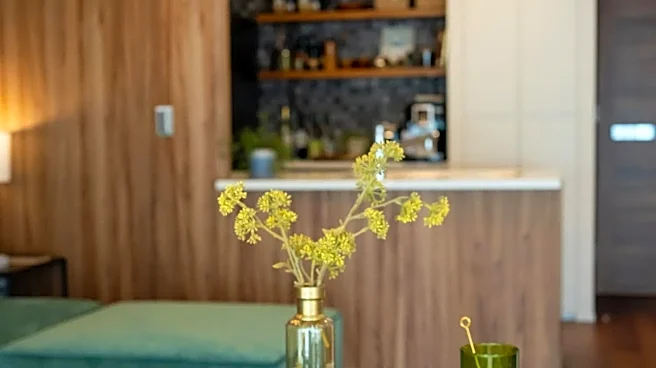
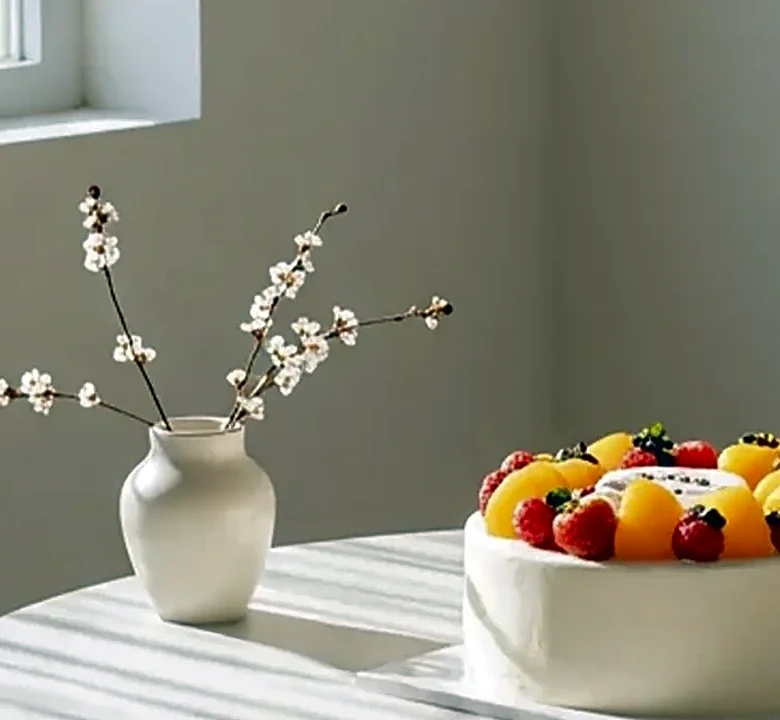
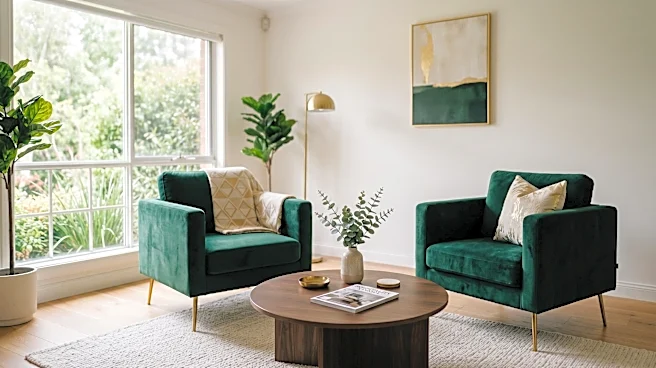
This philosophy shouldn't stop at the dining table. When you're hosting a large crowd, people will spill into other rooms. Use your cohesive-not-matching approach throughout your space. Place small arrangements of the same greenery or flowers you used on your centerpiece—like eucalyptus sprigs or dried hydrangeas—on side tables and in the entryway. Light candles with the same scent in different areas to create a consistent, warm ambiance. If you're serving food buffet-style to save table space, use serving dishes that align with your color palette, even if they aren't a matched set. This creates a sense of flow and makes the entire home feel like part of the celebration.